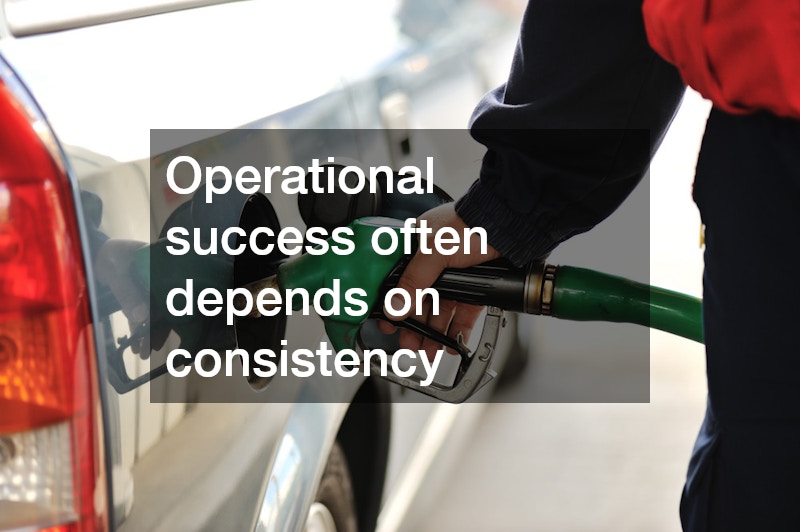
Businesses that rely on fuel-powered equipment understand the importance of maintaining a consistent supply of fuel. Whether operating construction machinery, agricultural equipment, transportation fleets, or backup generators, running out of fuel can bring operations to a halt and create costly delays. For many organizations, efficient fuel management is just as important as equipment maintenance and workforce planning.
Fuel-related interruptions can affect productivity, project timelines, customer satisfaction, and overall profitability. As industries continue looking for ways to improve operational efficiency, many have turned to reliable fueling solutions that help eliminate unnecessary disruptions.
By planning ahead and partnering with trusted providers, businesses can keep equipment running smoothly and focus on achieving their goals.
The Cost of Equipment Downtime
Downtime can have a significant impact on daily operations. When equipment sits idle because fuel is unavailable, employees may be unable to complete scheduled tasks. Construction projects can fall behind schedule, deliveries may be delayed, and agricultural operations can miss critical planting or harvesting windows.
The financial impact of downtime extends beyond lost productivity. Businesses may also face increased labor costs, equipment rental expenses, contract penalties, and dissatisfied customers. Even short interruptions can create a ripple effect that affects multiple aspects of an operation.
Reducing downtime requires a proactive approach that addresses potential issues before they occur. Fuel availability is one of the most important factors in keeping equipment operational and projects moving forward.
Why Fuel Management Matters
Effective fuel management involves more than simply filling tanks when they are empty. Organizations must monitor usage patterns, forecast future needs, maintain proper storage practices, and coordinate refueling schedules. Without a clear strategy, businesses may encounter fuel shortages at inconvenient times.
Companies that operate multiple vehicles or pieces of equipment often face additional challenges. Tracking fuel consumption across various locations can be difficult, particularly when equipment is spread across large job sites or remote areas. Establishing dependable fueling processes helps reduce uncertainty and improves operational planning.
Many organizations recognize that investing in professional fuel services can simplify management responsibilities while supporting more efficient operations.
Supporting Productivity Through Reliable Supply
Consistent fuel availability allows employees to focus on their work rather than worrying about refueling logistics. When operators know equipment will be ready when needed, productivity naturally improves. Projects can proceed according to schedule, and managers can spend more time overseeing operations rather than addressing fuel-related issues.
A dependable fuel strategy also reduces the likelihood of emergency refueling situations. Last-minute fuel purchases often require additional time, resources, and coordination. By maintaining a reliable supply chain, businesses can avoid unnecessary disruptions and maintain a smoother workflow.
This is one reason many organizations choose diesel fuel delivery as part of their operational planning. Scheduled service helps ensure equipment remains fueled and available when work needs to be completed.
Benefits for Construction Operations
Construction sites frequently depend on a variety of fuel-powered machinery, including excavators, bulldozers, loaders, generators, and trucks. These machines are essential for completing projects efficiently, but they require a steady fuel supply to remain productive.
Refueling equipment during working hours can reduce efficiency and pull employees away from important tasks. In some cases, workers may need to leave the job site to obtain fuel, resulting in additional downtime.
Scheduled fueling solutions help construction companies keep equipment operational while minimizing interruptions. Fuel can be supplied directly to the site, allowing crews to remain focused on project objectives. This streamlined approach supports better productivity and can help projects stay on schedule.
Advantages for Fleet Management
Transportation fleets face unique challenges when it comes to fuel management. Delivery vehicles, service trucks, and commercial fleets must remain on the road to generate revenue and meet customer expectations. Unplanned fueling delays can affect routes, schedules, and service quality.
Reliable fueling support helps fleet managers maintain greater control over operations. Predictable fuel availability simplifies route planning and reduces the risk of unexpected interruptions. It can also help organizations monitor fuel usage more effectively and identify opportunities for improved efficiency.
Businesses that manage large fleets often appreciate the convenience and consistency that professional fueling services provide. By reducing administrative burdens, managers can devote more attention to vehicle maintenance, driver performance, and customer service.
Planning for Seasonal Demand
Fuel needs can fluctuate throughout the year depending on industry demands and weather conditions. Construction activity may increase during warmer months, while agricultural operations experience seasonal peaks tied to planting and harvesting schedules.
Businesses that anticipate these changes can better prepare for periods of increased fuel consumption. Scheduled diesel fuel delivery allows organizations to align fuel availability with anticipated operational needs. This proactive approach helps reduce the risk of shortages during critical periods when equipment usage is at its highest.
By planning ahead, companies can maintain continuity and avoid disruptions that could affect productivity or profitability.
Building a More Reliable Operation
Operational success often depends on consistency. Businesses perform best when equipment, employees, and resources are available when needed. Fuel plays a central role in supporting that consistency across a wide range of industries.
Developing a dependable fueling strategy can improve planning, reduce stress, and support long-term growth. Organizations that eliminate fuel-related uncertainties are often better positioned to meet deadlines, serve customers, and adapt to changing demands.
For many companies, diesel fuel delivery provides a practical solution that supports operational reliability while helping maintain productivity across multiple locations and applications.
Reducing downtime is a priority for businesses that rely on fuel-powered equipment to complete daily operations. Interruptions caused by fuel shortages can affect schedules, increase costs, and limit productivity. By implementing effective fuel management practices and securing a dependable supply, organizations can keep equipment running efficiently and maintain focus on their core objectives.
Whether supporting construction projects, transportation fleets, agricultural operations, or remote job sites, a reliable fueling strategy helps create a stronger foundation for success. Businesses that prioritize fuel availability are often better equipped to improve efficiency, minimize disruptions, and achieve long-term operational goals.