
If your property or business feels like it’s constantly fighting against itself, that’s not a coincidence. Small inefficiencies, outdated systems, and overlooked maintenance tend to pile up quietly until they become expensive problems. Learning to recognize the early warning signs can save you thousands of dollars and a lot of stress down the road. This guide walks through the most common red flags that signal it’s time to rethink how your space or operation is running.
Worn Surfaces That Signal Bigger Problems
The ground beneath your feet often tells a story long before anything else does. Cracked tiles, buckling planks, or stained carpet in a commercial building are rarely just cosmetic issues. In many cases, damaged commercial flooring points to moisture problems, subfloor damage, or drainage issues that will only get worse if ignored.
Pay attention to the pattern, not just the presence, of the damage. A single cracked tile near an entrance might just mean heavy foot traffic, but recurring buckling in the same corner of a room, or carpet that stays damp days after a cleaning, often signals a slow leak or poor drainage beneath the surface. Discoloration that spreads rather than fades is another red flag worth investigating before it reaches the walls or structural supports.
The cost of waiting adds up fast. What starts as a $500 tile repair can turn into a $15,000 subfloor replacement if moisture has spread unnoticed for months, and in some cases mold remediation adds thousands more on top of that.
Consider, too, what the flooring reveals about how the space is actually used versus how it was designed to be used. Warehouse floors that show uneven wear patterns may indicate poorly planned traffic flow or equipment routes that no one has bothered to redesign. Retail floors worn thin only along specific paths can reveal that shelving or displays are blocking a more natural, efficient customer route.
Walking through your space with a critical eye once a season can help you catch these problems early. Scuffed flooring, chipped paint, and grimy grout lines might seem like cosmetic issues, but they often point to deeper maintenance gaps or budget shortfalls that never got addressed. When a facility looks tired, customers and employees alike start to wonder what else is being neglected behind the scenes.
Pay attention to areas near entrances, break rooms, and bathrooms where wear tends to show up first. Entrance mats that curl at the edges, door handles with worn-off finish, and streaked glass are often the first things a visitor notices, forming an impression before anyone says a word. Break rooms reveal a lot too — sticky countertops, a fridge that hasn’t been cleaned out in weeks, or a coffee maker held together with tape can signal low morale or an absent facilities routine.
Bathrooms are perhaps the most telling of all. Flickering lights, empty soap dispensers, or persistent odors suggest that supply checks and cleaning schedules have slipped through the cracks. If these small, high-traffic spaces are falling apart, it’s worth asking whether larger, less visible systems are being maintained with the same level of neglect.
- Soft or spongy spots underfoot near walls, windows, or entryways, often signaling hidden water damage or subfloor rot before it spreads further
- Persistent musty odors that return within days of cleaning, a common sign of trapped moisture or mold growing beneath surfaces
- Visible gaps, curling edges, bubbling, or discoloration in flooring, especially in high-traffic or high-moisture zones like break rooms and entrances
- Frequent slip-and-fall complaints concentrated in the same area, which can point to uneven surfaces, worn coatings, or drainage issues rather than isolated accidents
- Repeated repair requests for the same section within a 6-12 month window, suggesting a patch job is masking a deeper structural issue
- Noticeable temperature differences or drafts near flooring, which can indicate compromised insulation or moisture intrusion beneath the surface
When a Building Has Outlived Its Usefulness
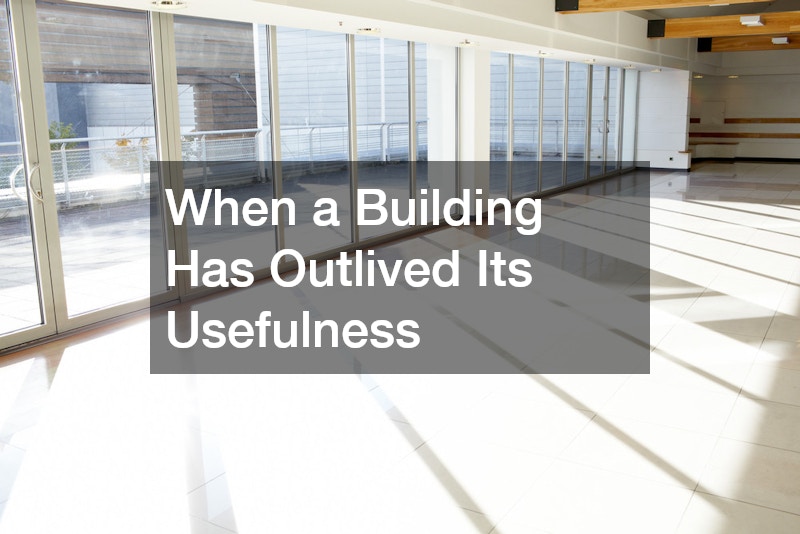
Sometimes a structure is beyond the point where repairs make financial sense. If a building has extensive foundation cracks, outdated wiring that can’t support modern equipment, or repeated code violations, it may be time to consider a full teardown rather than another patch job. Commercial demolition is a significant decision, but for property owners facing endless repair cycles, it can actually be the more cost-effective path forward in the long run.
Before making that call, it helps to get a few professional opinions on whether the structure is salvageable. A building inspector can tell you whether you’re looking at a renovation or a rebuild.
Running Out of Usable Space

Growing operations often hit a wall when their existing square footage simply can’t keep up with demand. Inventory piles up in hallways, equipment gets crammed into corners never meant to hold it, and employees start losing time just navigating around the clutter. When storage becomes an obstacle to daily workflow rather than a background necessity, it’s a clear sign that your physical footprint has stopped matching the scale of your business.
Rather than rushing into a costly lease or construction project, many businesses turn to trailers as a flexible way to add storage, office space, or equipment housing without a long-term commitment. Mobile units can be leased for a few weeks or several months, sized to fit anything from overflow inventory to a temporary administrative office, and positioned right on-site for immediate access. Compared to signing a new multi-year lease, this approach often costs a fraction of the price while giving decision-makers time to evaluate whether the space crunch is truly permanent.
This is especially useful during seasonal spikes, product launches, or while a permanent expansion is being planned and permitted. Retailers gearing up for a holiday rush, contractors managing a temporary job site, or manufacturers waiting on a new facility build-out can all bridge the gap without disrupting operations. Before committing, it’s worth calculating how much extra square footage is actually needed and for how long, since sizing decisions made in a panic often lead to paying for unused capacity or outgrowing the rental within months.
- Mobile offices for construction or event sites, especially when job sites shift every few months and a permanent build-out isn’t worth the investment
- Extra inventory storage during busy seasons, like holiday retail surges or agricultural harvests that can spike storage needs by 30-50%
- Temporary space during a renovation, giving staff or equipment somewhere to operate while walls come down and floors get redone
- Equipment staging areas that need to move locations, particularly for multi-phase projects where gear has to follow the work from one site to the next
- Overflow space when headcount grows faster than your lease allows, buying time until a permanent expansion is feasible
Signage and Visual Branding That No Longer Works
First impressions happen fast, and a tired or hard-to-read sign can quietly cost you customers before they ever step inside. Studies on retail visibility suggest that a business has only a few seconds to catch a passing customer’s eye, and a sign that’s dim, cluttered, or outdated simply doesn’t compete with sharper storefronts nearby.
Upgrading to outdoor electronic signs allows for dynamic messaging, better visibility at night, and the ability to update promotions without paying for new printed materials every time. Many models also let you schedule different messages throughout the day, run limited-time offers, or highlight seasonal products, giving you far more flexibility than static signage ever could.
If your current sign has burnt-out bulbs, faded lettering, or hasn’t changed in years, it’s worth evaluating whether it’s still doing its job. Also consider whether your branding, colors, and fonts still match your interior and online presence; mismatched visuals can make even a functioning sign feel outdated and hurt brand consistency across every customer touchpoint.
Branding issues aren’t limited to storefronts. Vehicles that represent your business on the road are another form of advertising that’s easy to overlook. Faded paint, outdated logos, or bare company vehicles are missed opportunities that undercut every other branding investment you’ve made.
Think about how many eyes a single delivery van or service truck reaches in a day. Parked outside a client’s home, idling at a stoplight, or sitting in a parking lot, that vehicle is doing marketing work whether it looks the part or not. A cracked decal or a logo that hasn’t been updated in a decade tells customers your attention to detail may be just as dated.
Many owners are surprised at how affordable commercial vehicle wraps have become as a way to turn a fleet into a moving billboard. Depending on size and coverage, a full wrap can run anywhere from a few hundred to a few thousand dollars per vehicle, often paying for itself through the impressions it generates over a few years of use.
Beyond cost, it’s worth considering consistency across the fleet. Mismatched colors, outdated phone numbers, or logos that don’t match your current website create the same disjointed impression as a messy storefront. A quick fleet-wide audit, checking each vehicle against your current brand guidelines, can catch these gaps before a customer does.
- Check sign visibility from both directions of traffic, including at night and during peak sun glare hours
- Compare your signage age to competitors nearby—faded or outdated signs next to sleek new storefronts signal decline before customers even walk in
- Evaluate whether your fleet still reflects your current branding, from logo placement to color accuracy
- Ask whether vehicle wraps could double as advertising during deliveries, turning routine stops into free impressions
- Look for cracked, flickering, or missing letters on storefront signs, since even small defects suggest neglect
- Confirm your branding is consistent across signage, vehicles, and digital platforms so customers recognize you instantly
Doors and Entry Points That Slow Everything Down

Every second a bay door or entryway takes to open or close adds up over a workday, especially in warehouses, loading docks, and cold storage facilities. Slow-moving doors also let out conditioned air, invite pests, and create safety bottlenecks when workers or forklifts are waiting to pass through. Facilities that install rytec high speed commercial doors often notice immediate improvements in traffic flow, energy costs, and overall workplace safety.
If your team frequently complains about delays at entry points, or you’ve noticed a spike in energy bills, it’s worth having someone assess the age and function of your current doors. Sometimes a simple upgrade solves problems that felt much bigger than they were.
Safety Systems That Get Overlooked Until It’s Too Late
Fire safety equipment is one of those things people assume is fine until an inspection proves otherwise. Sprinkler systems, extinguishers, and suppression tanks all have service schedules that are easy to forget when business is busy. Skipping a routine fire suppression inspection doesn’t just risk safety, it can also void insurance coverage if a fire happens and records show the system wasn’t properly maintained.
- Confirm your last inspection date and keep records accessible
- Look for corrosion, pressure gauge issues, or discharge nozzle blockages
- Make sure exit paths near suppression equipment stay clear
- Schedule inspections on a consistent annual or semi-annual basis
Understanding the True Value of Specialized Assets
Not every business asset can be appraised the same way a building or vehicle can. Owners with aircraft on their books, whether for business travel, leasing, or resale, need accurate valuations that reflect current market conditions, maintenance history, and equipment upgrades. Professional aircraft appraisals give owners a clear, defensible number to use for insurance, financing, or sale negotiations, rather than relying on guesswork.
These appraisals also matter for estate planning and tax purposes, where an inaccurate valuation can create real financial headaches later. Getting a fresh appraisal every few years, or after major maintenance events, keeps your records aligned with reality.
Equipment and Fixtures Showing Their Age
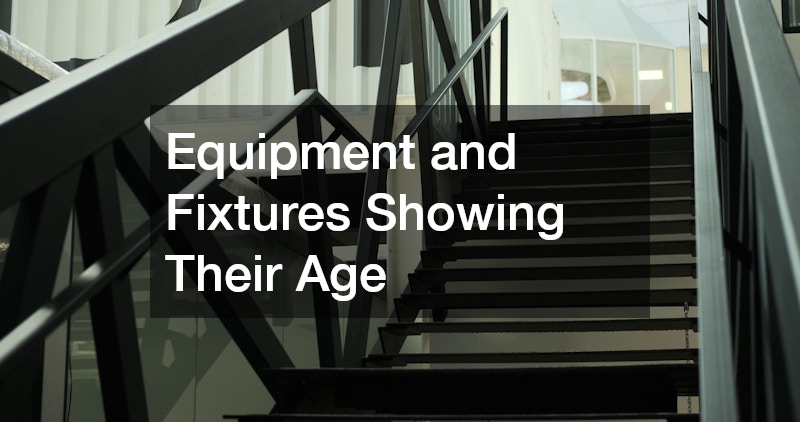
Metal fixtures, railings, and equipment surfaces take a beating over time from weather, chemicals, and daily use. Rust, pitting, and discoloration don’t just look bad, they can signal weakening material underneath. Rather than replacing expensive fixtures outright, many property owners opt for metal refinishing to restore both appearance and function at a fraction of the replacement cost.
- Handrails and stair treads showing surface rust
- Kitchen equipment with dull or scratched finishes
- Outdoor fixtures exposed to salt air or heavy rain
- Machinery housings that have faded or corroded over time
Waste and Drainage Systems Working Against You
Few things disrupt a food service operation faster than a clogged or overflowing grease trap. Slow drains, foul odors near the kitchen, or backups after busy shifts are all signs that your current system needs attention. Searching grease trap near me during an emergency is stressful, so it’s much better to schedule regular pumping and inspections before a small issue becomes a health code violation.
Local regulations often require documented service records, so keeping a maintenance log can protect you during inspections. A well-maintained system also reduces the risk of costly plumbing repairs caused by grease buildup in the lines.
Reading the signs your operations need an overhaul isn’t about chasing perfection, it’s about staying ahead of problems before they become emergencies. Whether the issue is flooring, signage, safety equipment, or waste systems, small warning signs deserve attention now rather than later. Take a walk through your property with this list in mind, and start addressing the most urgent items first. A little proactive attention today can save you significant time, money, and headaches down the road.