
Employees today have more choices than ever, and a workplace that feels neglected, cluttered, or unsafe will quietly push good people out the door. Retention has less to do with ping-pong tables and more to do with the everyday details of a building: how it looks, how it smells, how safe it feels, and how well it functions. Whether you own a small office or manage a large facility, the physical environment sends a constant message to your staff about how much they are valued.
This article walks through the practical, often overlooked upgrades that turn a building into a place people actually want to show up to each day.
Clearing Out Clutter During Renovations and Cleanouts
A workplace that feels chaotic or crammed with old furniture, broken equipment, and construction debris makes employees feel like an afterthought. When companies undertake office renovations, expansions, or seasonal cleanouts, the leftover debris can pile up fast and linger for weeks if there is no clear plan to remove it. A dumpster rental for the duration of a project keeps waste contained, keeps walkways clear, and signals to employees that leadership takes the workspace seriously.
Beyond aesthetics, a tidy jobsite during renovations reduces tripping hazards and keeps air quality better during demolition phases. Scheduling pickups around business hours also minimizes disruption, so staff are not stepping over debris on their way to a meeting.
- Book container sizes based on project scope, not guesswork, to avoid overflow
- Schedule pickups before major deadlines or client visits
- Keep debris away from fire exits and parking areas
- Separate recyclable materials when possible to reduce landfill costs
Maintaining Reliable Power and Lighting Systems
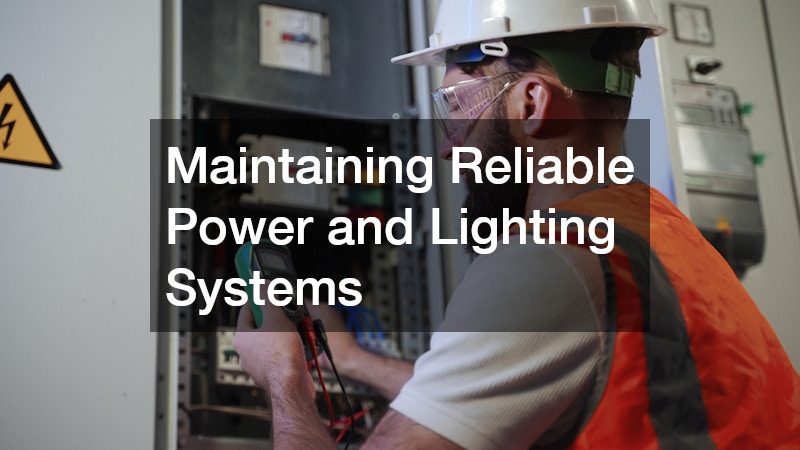
Flickering lights, tripped breakers, and outlets that do not work are more than minor annoyances; they slow down work and create real safety risks. Employees who lose focus every time the lights dim, or who have to hunt for a working outlet to charge a laptop, quietly lose confidence in their workplace. Over time, that friction adds up and becomes one more reason talented people start looking elsewhere. Older buildings especially tend to have wiring that was never designed for the number of computers, monitors, printers, and appliances a modern office runs today. A space built in the 1980s or 1990s may have circuits rated for far less load than what a busy team now plugs in daily. Space heaters, extra monitors, and charging stations all add strain that the original electrical panel was never meant to handle.
Bringing in a licensed commercial electrical contractor for a periodic inspection can catch overloaded circuits, worn insulation, and outdated panels before they become a fire hazard or an embarrassing outage during a client visit. Many contractors recommend a full electrical audit every three to five years, or sooner for buildings older than twenty years. This kind of proactive maintenance is generally far cheaper than emergency repairs, and it keeps small wiring issues from turning into costly downtime or safety incidents.
Good lighting also plays a bigger role in morale than most people realize. Harsh fluorescent bulbs or dim, uneven lighting contribute to eye strain, headaches, and fatigue, all of which chip away at productivity and patience by mid-afternoon. Updated LED systems with better color temperature, generally in the 3500K to 5000K range for office settings, can noticeably improve focus and mood throughout the day. Beyond bulb choice, layout matters just as much. Task lighting at individual desks, paired with softer ambient lighting overhead, reduces the harsh contrast that makes eyes work harder to adjust. Where possible, positioning workstations to take advantage of natural daylight has been shown to support better sleep patterns and alertness, since it helps regulate employees’ circadian rhythms even during indoor workdays.
None of this matters, though, if the electrical infrastructure behind it can’t keep up. Flickering lights, tripped breakers, or outdated wiring not only frustrate employees but can signal real safety risks. Routine inspections and timely upgrades to panels and circuits ensure that better lighting choices actually translate into a consistently comfortable, reliable environment rather than an occasional improvement that fails under everyday demand.
Keeping Floors and Carpets Genuinely Clean
Carpets absorb more than most people think, from dust and allergens to spilled coffee and years of foot traffic. A visibly stained or musty-smelling carpet is one of the fastest ways to make an office feel run-down, even if everything else is in good shape. Scheduling regular commercial carpet cleaning not only extends the life of the flooring but also improves indoor air quality, which matters for employees with allergies or respiratory sensitivities.
Deep cleaning should happen on a set schedule rather than only when stains become obvious, since dirt and bacteria build up long before they are visible. Many facility managers pair this with a walk-off mat strategy at entrances to reduce how much debris gets tracked in during rainy or snowy seasons.
- Schedule deep cleaning at least twice a year in high-traffic offices
- Address spills within 24 hours to prevent permanent staining
- Use entrance mats to cut down on tracked-in dirt and moisture
- Consider carpet tiles in high-wear areas for easier spot replacement
Refreshing Interior and Exterior Surfaces
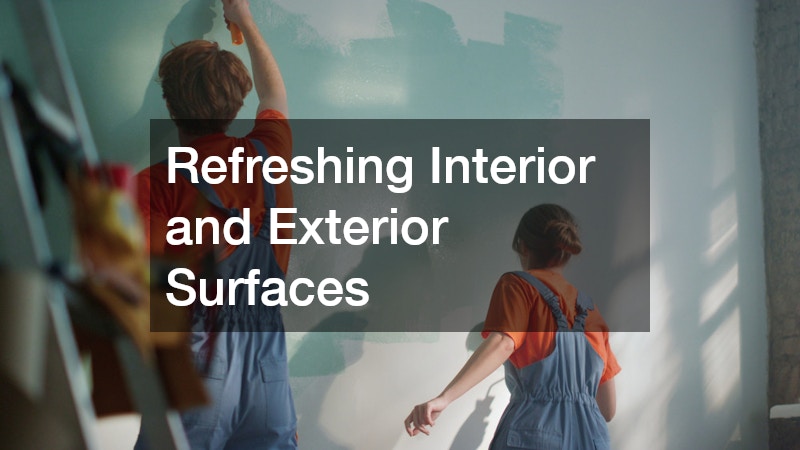
A fresh coat of paint sounds simple, but faded walls, scuffed trim, and peeling exterior surfaces communicate neglect louder than almost any other visual cue. Employees notice when common areas look tired, and clients notice too, which can affect how seriously your business is taken before anyone says a word. Cracked parking lot striping, rusted railings, and dingy loading docks send the same message as a cluttered lobby: nobody here is paying attention to detail. Bringing in a team experienced in industrial painting ensures the right coatings are used for high-traffic walls, warehouse floors, or exterior surfaces exposed to weather and UV damage.
Epoxy-based coatings hold up far better than standard latex paint on floors that see forklifts and daily foot traffic, while elastomeric exterior coatings flex with temperature swings instead of cracking. Choosing the wrong product might look fine for a few months before chipping, fading, or peeling reappears and the whole investment has to be redone. Timing and prep work matter just as much as the paint itself. Surfaces need proper cleaning, patching, and priming, and jobs are often best scheduled during off-hours or slower seasons to avoid disrupting operations. A well-planned refresh every three to five years, rather than reactive touch-ups, keeps costs predictable and the property looking consistently cared for rather than sporadically patched.
Beyond aesthetics, updated surfaces can support safety compliance, since faded floor markings, illegible signage, or worn safety-zone striping create real hazards on top of a poor impression. Addressing color, coating durability, and safety markings together turns a routine paint job into a meaningful upgrade for how the workplace looks, functions, and feels to the people who spend their days there.
Color choice matters more than most owners expect, since certain tones can make small spaces feel larger or calmer, while poor color choices in break rooms or hallways can make spaces feel sterile or cold. Soft blues and greens tend to lower visual stress in high-focus zones, warm neutrals work well in collaborative spaces, and accent walls in break rooms can add energy without overwhelming a small room. Exterior surfaces deserve the same attention as interiors, since faded signage, chalky siding, or a peeling entryway sends a message to employees before they even clock in.
A fresh coat on the building’s facade, updated door and window trim, and clean walkways signal that leadership takes pride in the workspace, which can influence how much pride staff take in their own work. Durable, washable finishes in high-touch areas also cut down on how often repainting is needed, saving money over time. Semi-gloss or satin finishes hold up far better than flat paint in hallways, break rooms, and near light switches, often stretching repaint cycles from every 2-3 years to 5 or more. Factoring in finish quality upfront, rather than choosing the cheapest option, usually pays for itself in reduced labor and material costs down the line.
Preventing Kitchen and Break Room Odors
Break rooms are meant to be a place employees look forward to, not a spot they avoid because of lingering smells. Grease buildup in commercial kitchens or break room drains is a common culprit behind unpleasant odors that seem to come from nowhere. Routine grease trap cleaning prevents blockages, slows corrosion in plumbing lines, and keeps drains from backing up during busy lunch hours.
Neglecting this maintenance does not just create a smell problem; it can lead to costly plumbing repairs and even health code violations for businesses with food service areas. A simple maintenance schedule, handled by professionals familiar with local regulations, keeps this issue from ever becoming visible to employees at all.
Protecting the Building From Roof to Foundation

Leaks, water stains, and drafts are more than cosmetic issues; they are early signs of a roofing system that is failing. Water intrusion can damage ceiling tiles, promote mold growth, and even short out electrical systems, all of which directly affect employee comfort and health. Scheduling an annual inspection with a qualified commercial roofer catches small issues like cracked flashing or worn membrane seams before they turn into expensive interior damage.
Roof maintenance is easy to forget because it is out of sight, but a well-maintained roof also improves energy efficiency by preventing air leaks that force HVAC systems to work harder. Building owners who stay ahead of roof repairs typically spend far less over a ten-year period than those who wait for a visible leak to act.
Handling Heavy Equipment and Structural Projects Safely
Larger facility upgrades, like replacing rooftop HVAC units, installing signage, or moving heavy machinery, require equipment far beyond what an in-house maintenance team can safely manage. Attempting to move or lift heavy loads without the right equipment puts employees at serious risk of injury and can damage the building itself. Hiring a professional crane service for these projects ensures the work is done with proper rigging, trained operators, and the right safety permits in place.
Planning these projects around business hours, or scheduling them for weekends, also reduces disruption and keeps curious employees safely away from active lift zones. Clear communication about timelines helps staff feel informed rather than caught off guard by noise or blocked entrances.
Sharing Company News and Wins Through Print
Employees want to feel connected to the bigger picture of where the company is headed, and digital newsletters alone do not always cut through the noise of daily email overload. Many organizations have found renewed success having internal journals printed on a quarterly basis to highlight milestones, employee spotlights, and upcoming changes. A physical piece that lands on a desk or breakroom table tends to get read more thoroughly than another email that gets skimmed and archived.
This kind of tangible communication also works well for recognizing long-tenured staff or celebrating safety milestones, giving people something they can keep or share with family. It is a small investment that reinforces a sense of belonging, which directly supports retention over time.
Strengthening Physical Security and Access Control
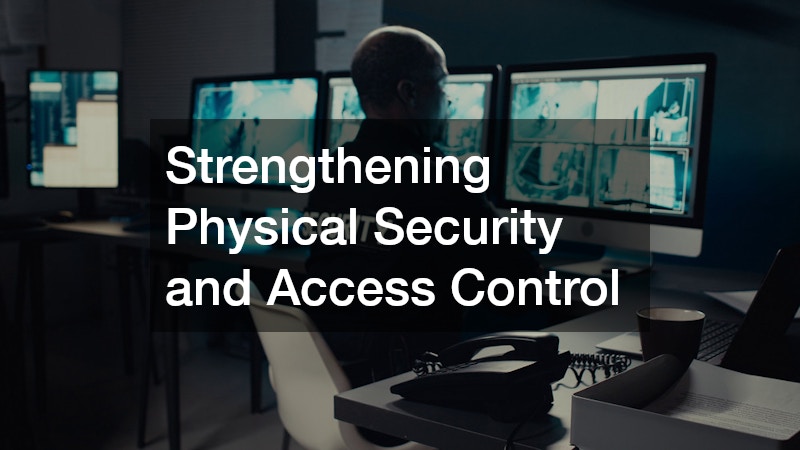
Employees are far more likely to stay somewhere they feel physically safe, especially in facilities with late shifts, valuable equipment, or public-facing entrances. Installing a modern commercial security camera system around entry points, parking areas, and loading docks gives staff visible reassurance while also protecting company assets. Cameras alone are not a complete solution, though, and should be paired with proper lighting and access control at all entry points.
Choosing the right provider matters just as much as the equipment itself, since ongoing monitoring, maintenance, and quick response times separate a reliable setup from one that fails when it matters most. Comparing a few security system companies before signing a contract helps ensure the chosen provider offers real-time monitoring, mobile alerts, and support that fits the size of your facility.
Conclusion
Building a workplace employees want to stay in is not about one single upgrade, but the accumulation of small, consistent decisions that show people they matter. From clean air and safe wiring to fresh paint and visible security, each improvement chips away at the everyday frustrations that quietly drive good employees to look elsewhere. Start by walking through your own building with fresh eyes, noting the issues that would bother you if you were a new hire on day one. Prioritizing even two or three of these areas this year can set the foundation for a workplace people are genuinely proud to be part of.