
Most employees cannot articulate why a workplace feels draining or energizing, but their bodies and moods register it long before their conscious minds do. Temperature swings, stale air, leaky ceilings, and outdated fixtures send a quiet message that management does not notice or does not care. Over time, that message erodes morale far more effectively than a single bad meeting or missed bonus ever could. Understanding the physical systems behind workplace comfort helps anyone evaluating an office, warehouse, or retail space make smarter decisions about where they want to spend their working hours.
Water Quality and Its Effect on Daily Comfort
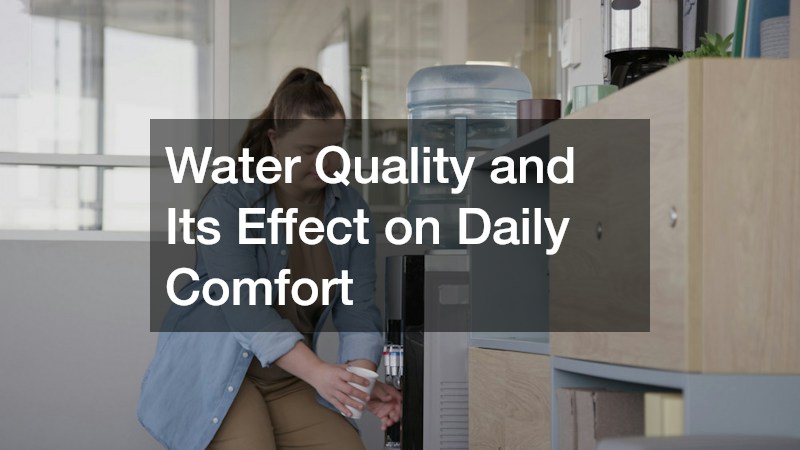
Clean drinking water seems like a basic expectation, yet many older buildings still pipe water through aging fixtures or corroded lines that leave a metallic taste, cloudy appearance, or faint odor. Employees notice this almost immediately, often within their first week, and it shapes their perception of how well the entire facility is maintained. A single bad-tasting water fountain can generate more break-room complaints than a malfunctioning HVAC system, simply because it’s a sensory experience repeated multiple times a day. The fix isn’t always as complicated as replumbing the building. Point-of-use water filtration systems installed at fountains, break rooms, or kitchenettes can resolve taste and clarity issues quickly and at a fraction of the cost of full infrastructure upgrades. Many facilities also opt for filtered bottle-fill stations, which employees tend to associate with newer, more health-conscious workplaces. Beyond taste, there are legitimate health considerations. Older pipes may contain lead solder or corroded joints that leach contaminants over time, particularly in buildings constructed before the 1980s. Regular water quality testing, paired with visible filtration upgrades, gives employees tangible proof that leadership is monitoring these risks rather than ignoring them. A building that invests in modern water filtration systems signals to its staff that leadership cares about the small details that affect daily comfort, not just the big-ticket amenities. That signal matters more than it might seem, because employees frequently use these small, everyday cues to judge whether larger promises about workplace investment are actually true.
Beyond taste, water quality can influence actual health outcomes, including hydration habits and skin irritation from certain mineral content. Hard water with high calcium or magnesium levels can leave a chalky aftertaste that discourages employees from drinking enough throughout the day, while chlorine byproducts or trace contaminants can trigger mild but persistent complaints like dry skin or headaches. Employees who quietly cut back on water intake to avoid an unpleasant taste often experience dips in energy and concentration by mid-afternoon, though few ever connect the dots back to the tap. Facilities that skip this investment often see employees switching entirely to bottled water, which adds cost and environmental waste. A mid-sized office of 100 employees relying on bottled water can easily spend several thousand dollars a year on cases alone, not counting the added burden on recycling programs or the visual clutter of bottles piling up in break rooms. Filtration systems, whether point-of-use pitchers, under-sink units, or building-wide filtration, typically cost a fraction of that over the same period. A simple upgrade in this area tends to pay for itself in goodwill alone. Employees notice when leadership addresses something as basic as clean, good-tasting water, and it often becomes a small but frequently mentioned point of pride during onboarding or office tours. It’s a low-cost signal that day-to-day comfort matters, and it rarely goes unnoticed even if it also rarely gets discussed in performance reviews or engagement surveys.
Restroom and Plumbing Reliability
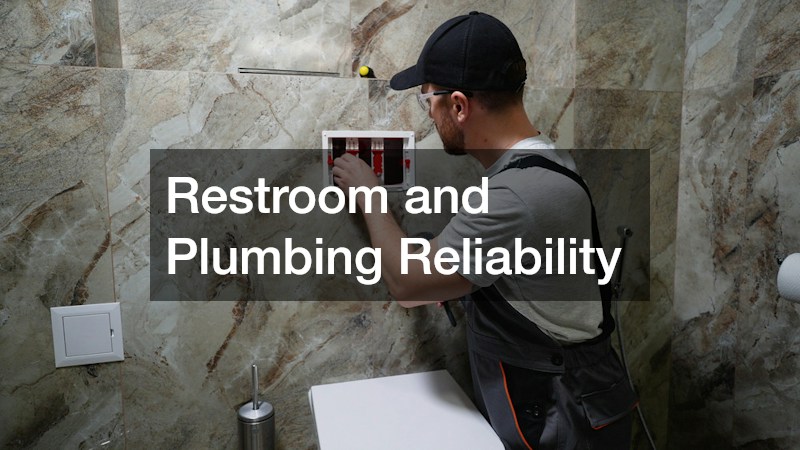
Few things generate workplace complaints faster than a restroom that is out of service or a sink that will not stop dripping. When these issues linger for days or weeks, employees start to assume that facility requests in general get ignored, which bleeds into their attitude about other workplace concerns. A responsive relationship with a qualified plumber keeps small issues from becoming symbolic of larger neglect.
Regular maintenance schedules also prevent the kind of emergency shutdowns that send an entire floor scrambling for alternatives. Facilities that treat plumbing as a proactive system rather than a reactive fix tend to have fewer disruptions overall.
- Slow drains and low water pressure are early warning signs that often get ignored until they become full outages
- Consistent restroom cleanliness correlates strongly with employee perception of overall workplace respect
- Scheduled inspections catch small leaks before they cause structural damage or mold growth
- Clear reporting channels for plumbing issues reduce the frustration of feeling unheard
Roof Integrity and Its Hidden Influence on Workspaces
A roof that leaks, sags, or allows temperature bleed-through affects far more than the top floor of a building. Water stains on ceiling tiles and the musty smell that follows a leak create a subtle but persistent sense that the building is falling apart, even if the rest of the space is well kept. Employees working under a compromised roof often report feeling less confident that their employer prioritizes their physical safety.
Routine inspections by experienced roofers can catch minor flashing issues or worn shingles long before they become emergency repairs. This kind of proactive care rarely gets noticed by staff when done well, which is exactly the point: the absence of a problem is what keeps morale steady. A well-maintained roof is one of those invisible factors that only becomes visible when it fails.
Structural Layout in Warehouses and Large Facilities
Open, adaptable workspaces tend to support better collaboration and reduce the claustrophobic feeling that comes with cramped, poorly designed layouts. Many warehouses and distribution centers now favor clear span buildings because they eliminate interior support columns, giving employees more room to move equipment and interact without obstruction. This kind of layout also makes it easier to reconfigure a space as a business grows, which reduces the disruptive relocations that can hurt morale.
Workers in cluttered or awkwardly divided facilities often report higher stress levels simply from navigating their environment. A more open structural design does not just improve efficiency; it changes how people feel moving through their workday.
Temperature Control and Seasonal Comfort

Nothing derails productivity faster than a workspace that is too hot in the summer or too cold in the winter. Employees who spend their day distracted by discomfort are less focused, more irritable, and more likely to take unplanned breaks just to escape an uncomfortable room. Timely AC installation before the peak of summer heat prevents the kind of last-minute scrambling that leaves an entire office sweating through a service call backlog.
Temperature complaints also tend to reveal deeper tensions in a workplace, since people who already feel undervalued are quicker to voice frustration over physical discomfort. Addressing climate control proactively removes one easy source of resentment and lets other workplace issues be addressed on their own merits.
- Consistent indoor temperature supports better concentration and fewer errors in detail-oriented work
- Delayed climate repairs often coincide with the busiest, most stressful periods of the year
- Zoned heating and cooling systems allow different departments to set comfort levels independently
- Poor airflow can worsen allergy symptoms and increase sick days
Waste Management During Renovation Projects
Facility upgrades are necessary for long-term morale, but the renovation process itself can create its own stress if not managed well. Dust, noise, and blocked walkways during a remodel test employee patience, especially when a project drags on longer than expected. Renting appropriately sized construction dumpsters keeps debris contained and pathways clear, which reduces the daily irritation of navigating a job site on the way to a desk or break room.
A well-organized renovation, even a messy one, communicates that leadership has a plan and respects the people still working around the construction. Clear timelines and visible progress markers help employees tolerate short-term disruption because they can see it leading somewhere.
Material Durability in High-Traffic Facility Areas
The materials chosen for structural components affect how long a facility stays in good repair without disruptive maintenance cycles. In manufacturing and industrial settings, quality grader blade barstock is often used in fabricating durable equipment components that hold up under repeated stress, reducing the frequency of breakdowns that can halt work and frustrate teams waiting on repairs. Choosing higher grade materials upfront, even at a higher initial cost, often prevents the kind of recurring failures that quietly wear down staff patience.
When equipment or structural elements fail repeatedly, employees begin to distrust the reliability of their entire environment, not just the specific broken part. Investing in durable materials is as much a morale decision as it is an engineering one.
Preventing Hidden Deterioration Before It Spreads
Some of the most damaging facility problems are invisible until they cause a major failure, which is why regular corrosion testing on metal structures, pipes, and support beams matters so much. Ultrasonic thickness testing, for instance, can detect wall-loss in pipes long before a leak develops, while visual inspections alone often miss subsurface pitting that weakens load-bearing components. Facilities located in humid or coastal climates are especially vulnerable to gradual metal degradation that can compromise safety long before visible rust appears, and even inland facilities with poor ventilation or chemical exposure face similar risks. A practical corrosion testing schedule typically depends on the material, environment, and age of the structure. High-risk areas like rooftop HVAC supports, parking structure rebar, and underground piping usually warrant annual or biannual checks, while lower-risk interior framing can be assessed less frequently. Keeping documented inspection histories also helps facility teams spot deterioration trends before they become emergencies. Catching this early prevents costly emergency repairs and, just as importantly, prevents the kind of sudden facility closure that disrupts schedules and unsettles employees. When workers see maintenance teams proactively inspecting infrastructure rather than reacting to breakdowns, it reinforces a sense that the building itself is being cared for—and by extension, that they are too.
A facility that takes hidden deterioration seriously tends to have fewer dramatic failures overall, which keeps daily operations predictable. A slow water leak behind a wall, a failing HVAC belt, or corroding electrical connections rarely announce themselves loudly at first. Left unchecked, they eventually surface as burst pipes, sudden climate control outages, or tripped breakers that shut down entire workstations without warning. Routine inspections catch these problems while they’re still inexpensive to fix. Checking roof seals, plumbing joints, and mechanical systems on a quarterly schedule, rather than waiting for visible symptoms, can turn a $200 repair into something that never becomes a $20,000 emergency. Many facilities managers also track recurring maintenance requests by location, since three complaints about the same corner of a building often signal a structural issue rather than three unrelated nuisances. Predictability, more than luxury, is often what employees value most in their physical workspace. Knowing that the building will function the same way tomorrow as it did today reduces a subtle form of background stress that accumulates over time. When employees don’t have to wonder whether the air conditioning will fail during a heat wave or whether a ceiling tile might finally give way, they can direct that mental bandwidth toward actual work instead.
Flooring and Overhead Systems in Industrial Settings
The overhead and flooring systems in industrial buildings do more than provide structure; they influence noise levels, safety, and the general sense of solidity in a space. Every footstep, forklift pass, or dropped tool registers differently depending on how these systems are engineered, and that acoustic experience shapes how workers feel about their environment hour after hour. Many modern facilities use composite metal decking because it combines strength with reduced material weight, which speeds up construction and creates a sturdier working platform for multi-level operations. This material pairs steel decking with a concrete topping, allowing the two to act as a single structural unit that resists deflection under heavy loads. That rigidity matters on mezzanines and elevated work areas, where excessive bounce or vibration can quietly unsettle employees even when the structure is technically sound. Beyond load capacity, decking choices affect thermal performance and fire resistance, both of which factor into how safe and comfortable a facility feels day to day. Facilities managers often weigh span length, corrosion resistance, and slip-rated finishes when selecting flooring systems, since these details determine long-term durability as much as initial cost. Employees working on or under well-engineered decking systems tend to feel more confident about their physical safety, which contributes to a steadier, less anxious work environment. When workers trust the floor beneath them and the structure overhead, that confidence quietly translates into fewer distractions, better focus, and a stronger sense that management takes their wellbeing seriously.
Facilities that skimp on these structural choices often deal with excessive vibration, noise transfer, or uneven surfaces that create daily friction for workers. A warehouse floor with cracks or poor leveling can slow down forklift operators and increase the risk of trips, while thin flooring over hollow supports amplifies footstep noise and machine vibration throughout a shift. Overhead systems matter just as much: exposed ductwork, unshielded lighting rigs, or poorly insulated ceilings can turn a workspace into an echo chamber or a source of constant glare and heat buildup. These issues rarely show up as a single complaint, but they accumulate. Workers who spend eight or more hours a day on hard, uneven concrete report more fatigue and lower-back discomfort than those on properly cushioned or epoxy-coated surfaces designed for standing work. Excess ambient noise from poorly dampened overhead systems has also been linked to increased stress and reduced concentration, even at levels below OSHA’s official thresholds. Investing in quality overhead and flooring systems is a long-term decision that pays off in both safety and morale. Anti-fatigue flooring, proper drainage in wash-down areas, and sound-dampening insulation in ceiling systems all carry upfront costs, but they reduce injury claims, cut turnover tied to physical discomfort, and signal to employees that their day-to-day working conditions were actually considered in the building’s design.
Branding and Presentation at Company Events

While most facility conditions relate to daily internal comfort, external-facing spaces also shape how employees feel about their organization. When a company invests in a polished custom trade show booth for industry events, employees representing the brand often feel a boost in pride and morale, since they are stepping out into public view backed by a professional presentation. This kind of investment signals that the company values its image and, by extension, the people who represent it.
Employees who attend trade shows or public events with outdated or shabby displays often feel a quiet embarrassment that translates into lower enthusiasm for representing their employer. A well-designed presence at these events reflects positively back onto internal morale, even though the investment is technically external.
Facility conditions rarely announce themselves loudly, but their cumulative effect on morale is impossible to ignore over time. Anyone evaluating a workplace, whether as an employee, manager, or business owner, benefits from looking past surface aesthetics and asking harder questions about maintenance history, structural quality, and daily comfort systems. Small, consistent investments in these areas tend to matter more than occasional grand gestures. The next step is simple: walk through any facility with these systems in mind and notice what the space is quietly communicating.