
A dripping faucet, a hairline crack in the driveway, or a strange noise from the water heater rarely feels urgent in the moment. But small maintenance issues have a way of compounding into expensive emergencies when they are ignored or forgotten. Building a simple system for tracking property maintenance requests can save homeowners thousands of dollars and hours of stress. This guide walks through the most common problem areas around a property and how staying organized about them prevents costly surprises.
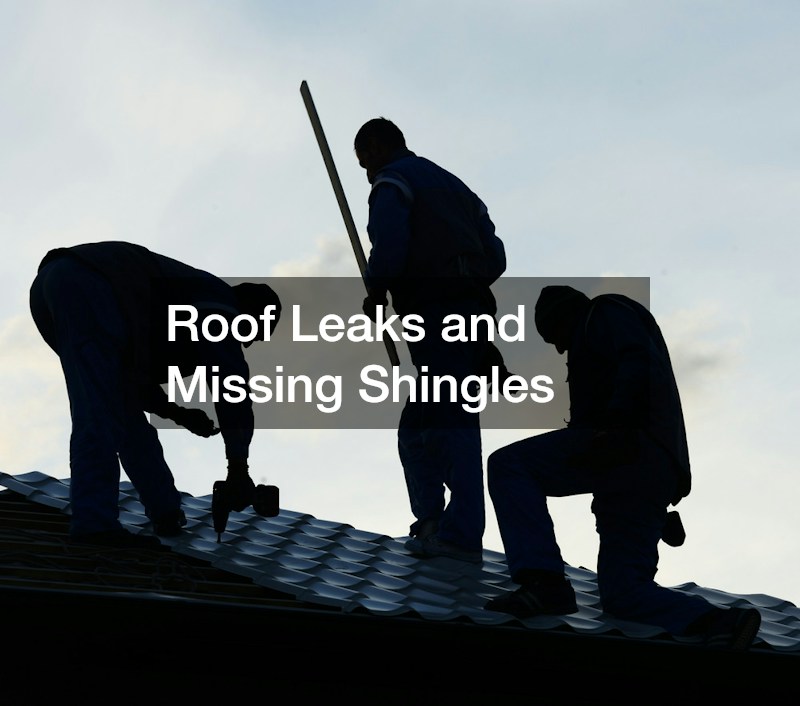
Roof Leaks and Missing Shingles
The roof is one of the most expensive systems on a property to repair or replace, which makes early detection critical. A single missing shingle or a small area of pooling water can lead to rot, mold, and structural damage within a few rainy seasons. What starts as a $200 shingle repair can easily turn into a $10,000 job involving decking replacement, insulation removal, and drywall repair if it goes unnoticed for too long.
Aim to inspect roofs at least twice a year, ideally in spring and fall, plus after any major storm with high winds or hail. Look for curling, cracked, or missing shingles, granules collecting in gutters, dark streaks that suggest algae growth, and soft spots underfoot that may signal water damage below the surface. Inside the property, watch for water stains on ceilings, peeling paint near the attic, or a musty smell that could indicate a slow, hidden leak. Keeping a written or digital log of when you last inspected the roof, along with photos of any suspicious spots, makes it much easier to spot changes over time.
Date-stamped photos taken from the same angles each visit let you compare wear patterns season over season, so a slightly curled shingle in March doesn’t get overlooked until it’s a full leak by August. This kind of documentation also proves invaluable when filing insurance claims, since carriers often want evidence that damage was reported and monitored promptly rather than ignored for months.
Roof leaks rarely announce themselves right away. A missing shingle, a soft spot near a vent boot, or a small water stain on a ceiling tile can sit unnoticed for weeks while the damage underneath keeps spreading. That’s why logging even minor observations—like “noticed curling shingles on the north side” or “small stain near the skylight”—matters as much as logging obvious leaks.
When something does look off, calling in local roof repair specialists for a quick inspection is far cheaper than waiting until water is coming through the ceiling. A local team also knows what your area’s weather patterns tend to do to roofs, whether that’s hail damage, ice dams, or heat-driven shingle deterioration, so they can spot warning signs a generalist might miss. Many roofing problems are cheap to fix when caught within the first few months but turn into five-figure repairs once the decking is compromised, mold sets into the insulation, or the leak spreads to electrical systems below. A tracking system, even a simple spreadsheet, gives you the evidence you need to decide when professional attention is worth it.
Note the date an issue was first spotted, its location, and any changes observed on follow-up walkthroughs, since a stain that’s growing week over week tells a very different story than one that’s stayed the same size for months. Over time, this record also helps you spot patterns, like a particular unit or roofline that keeps generating complaints, which may point to a deeper structural issue rather than a one-off repair.
- Check attics for water stains, dark streaks, or daylight coming through the roof deck twice a year, ideally in spring and fall
- Look closer after heavy rain or high winds, since sagging spots or musty smells often signal a slow leak before ceiling stains appear
- Photograph shingle condition after major storms, capturing wide shots and close-ups of cracked, curled, or missing shingles
- Walk the perimeter to check gutters and downspouts for shingle granules, which indicate accelerated wear
- Note the date of any repairs, the contractor used, and the specific roof section so you can track recurring problem areas
- Flag any area repaired more than twice within a year as a candidate for full replacement rather than another patch
- Keep receipts, inspection reports, and storm photos in one folder, organized by date, for insurance purposes
- Include the roof’s age and last full inspection date in that folder so adjusters and future buyers have a clear maintenance history
Overgrown Trees and Storm Damage Risk
Trees add value and shade to a property, but they can also become liabilities when branches grow too close to rooflines, power lines, or fences. Tracking the health and trim schedule of large trees helps you catch problems like dead limbs or root damage before a storm turns them into a hazard. A simple log noting the last trim date and any visible disease or leaning can guide decisions about when professional help is needed.
When a tree is clearly diseased, leaning dangerously, or has grown into power lines, it is time to contact tree removal companies rather than attempting the job yourself. Removing a large tree safely requires specialized equipment and insurance that most homeowners simply do not have. Documenting the tree’s condition over time also helps when filing insurance claims after storm damage, since it shows the issue was monitored rather than neglected.

Water Heater Age and Performance
Most water heaters last between eight and twelve years, but many homeowners have no idea how old theirs actually is until it fails. Recording the installation date, along with any unusual noises, rust-colored water, or inconsistent temperatures, creates a timeline that helps predict when replacement is likely. This kind of proactive tracking turns a sudden flood in the utility closet into a planned, budgeted project instead.
Once a unit starts showing multiple warning signs, it is usually more cost-effective to schedule water heater replacement than to keep patching a system on its last legs. Repeated small repairs on an aging unit often add up to more than the cost of a new one within a year or two. Keeping maintenance records handy also helps when comparing quotes, since a technician can quickly see the unit’s history and recommend the right size and type of replacement.
- Write the installation date on the tank with a permanent marker
- Log any repair visits and the technician’s notes
- Watch for sediment buildup, which shortens the unit’s lifespan
- Set a calendar reminder to flush the tank annually
Driveway and Sidewalk Settling
Cracked or sunken concrete is easy to dismiss as cosmetic, but uneven surfaces can create trip hazards and allow water to pool against the foundation. Tracking when cracks first appear and how quickly they widen gives you useful data for deciding whether a section needs attention now or can wait until next season. Small changes documented over several months often reveal a pattern, such as settling near a downspout, that points to the real cause.
For sunken slabs that are otherwise in good condition, mud jacking is often a faster and less expensive fix than tearing out and repouring concrete. This process lifts the settled slab back into place by injecting a stabilizing material underneath it, and it typically takes just a few hours per section. Keeping before-and-after photos in your maintenance log also helps you monitor whether the repair holds up over time or if further settling occurs.
Fence Condition and Boundary Security
Fences take a beating from weather, soil movement, and everyday wear, so it pays to walk the property line a couple of times a year, ideally once in spring after frost heave and once in fall before winter storms hit. Look for leaning posts, rust spots, loose panels, sagging gates, and gaps at ground level where animals or water could get through. A simple checklist can catch problems while they are still a quick fix, like tightening a bracket or resetting a post, rather than a full section replacement that might cost hundreds of dollars more.
Pay particular attention to gate hardware and latches, since these get the most physical stress from daily use and are often the first thing to fail. Check that locks still engage properly, especially on fences that serve a security function rather than just a boundary marker. If the property borders a shared area or neighboring lot, note any disputes or overlap issues too, since boundary confusion can turn into a legal headache if it’s not documented early.
Tracking which sections have already been repaired also helps you notice if a particular area keeps failing, which might point to a drainage or soil issue rather than a materials problem. For example, if the same three posts have needed resetting twice in two years, that’s a signal to check grading or install better drainage nearby instead of just repairing the symptom again. Keeping dated photos alongside your notes makes it easier to spot these patterns and to show contractors exactly what’s changed over time.

Fence damage rarely stays cosmetic for long. A loose post, a leaning section, or a gap where boards have rotted away is more than an eyesore — it’s an open invitation for trespassers, stray animals, or liability issues if someone wanders onto the property and gets hurt. Logging these issues as soon as they’re spotted, rather than waiting for a tenant complaint or a neighbor’s call, makes it far easier to catch small problems before they become safety or security gaps.
For properties considering an upgrade, metal fences tend to hold up better against rot, pests, and storm damage than wood, making them a popular long-term choice for both security and curb appeal. They typically last 20 to 30 years with minimal upkeep, compared to 10 to 15 years for wood, and many styles require nothing more than an occasional rinse or a check for rust spots. That lower maintenance burden can offset a higher upfront cost over the life of the fence.
If a section of fencing is beyond patching, getting quotes from a few fence companies before committing to a full replacement is worth the time, since pricing and material quality can vary significantly. Ask each contractor about post depth, gauge thickness, and warranty terms, since these details often explain why one bid comes in well below another. A noticeably cheaper quote may mean thinner materials or a shorter labor guarantee, which can cost more in repairs later.
Keeping records of past repairs also gives you leverage when discussing warranty coverage or comparing new installation estimates. Photos, dates, and repair costs help you spot patterns, such as a fence line that keeps failing after every storm, which may point to a drainage or grading problem rather than the fence itself.
Septic System Backups and Warning Signs
A septic system that is not maintained on schedule can back up unexpectedly, leading to sewage in the yard or even inside the home. Slow drains, gurgling pipes, and unusually lush patches of grass over the drain field are all early warning signs worth logging as soon as you notice them. Tracking the date of the last service call helps you stay ahead of the recommended maintenance interval instead of guessing.
Scheduling routine septic tank pumping every three to five years, depending on household size and tank capacity, is one of the most effective ways to avoid a costly system failure. Waiting until there is an obvious problem often means the damage has already spread to the drain field, which is far more expensive to repair than routine pumping. A simple reminder system, whether a phone alert or a note on the family calendar, keeps this often-overlooked task from slipping through the cracks.

Security Systems and Perimeter Monitoring
Physical security is a maintenance category that often gets overlooked until an incident happens. Tracking when alarm batteries were last changed, when cameras were last tested, and when locks were last serviced ensures small failures do not turn into larger vulnerabilities. For larger properties, commercial sites, or events, some owners also arrange for armed guards during high-risk periods, and keeping a record of when and why that coverage was used helps evaluate whether ongoing security investment is needed.
Reviewing footage quality and motion sensor placement on a regular schedule also helps catch blind spots before they become a real problem. Many security failures trace back to equipment that quietly stopped working weeks or months earlier without anyone noticing. A basic maintenance log for security equipment, checked quarterly, closes that gap.
Large Equipment and Renovation Coordination
Bigger property projects, like installing a heavy HVAC unit, replacing a rooftop sign, or repairing storm damage high above ground level, often require equipment most homeowners never think about until the moment they need it. Booking crane rentals in advance for these kinds of jobs can prevent costly delays, since availability is often limited during peak construction and storm-recovery seasons. Tracking upcoming projects that might need this kind of equipment, even loosely, gives you time to get quotes and compare scheduling options.
Coordinating heavy equipment access also means thinking about driveway clearance, overhead power lines, and permits, all of which take longer to sort out than most people expect. Keeping a running list of planned projects and their equipment needs, updated a few times a year, prevents last-minute scrambling. This kind of forward planning turns a stressful logistics problem into a routine part of property upkeep.
None of these systems require expensive software or a background in property management, just a consistent habit of writing things down and checking on them regularly. A simple log, whether on paper or in a shared app, turns vague worries into a clear record you can act on before small issues snowball. Start by walking your property this weekend and noting anything that looks even slightly off, then set a recurring reminder to check again in a few months. That one habit is often the difference between a routine repair bill and a genuine emergency.