Comprehensive Home Improvement and Property Services for Modern Living in 2026
Introduction
Modern living in 2026 demands more from our homes than ever before. Today’s homeowners expect properties to be safe, energy-efficient, low-maintenance, technologically integrated, and visually appealing. At the same time, rising material costs and environmental concerns are pushing people to make smarter, longer-lasting improvements rather than quick cosmetic fixes.
Comprehensive home improvement is no longer about isolated projects. Instead, it involves coordinating interior upgrades, exterior enhancements, structural maintenance, and mechanical system improvements into a cohesive strategy. Whether you own a suburban home, a rural property, or a mixed-use building, investing in the right services at the right time protects your property value and enhances daily comfort.
This guide explores the essential services that shape modern homes in 2026. From exterior protection and landscaping to interior remodeling and system upgrades, you’ll find practical tips, planning advice, and actionable strategies to help you make confident decisions. The goal is not just to improve your property—but to future-proof it.
Protect Your Property with Strategic Landscape Planning and Safe Tree Management
Healthy landscaping enhances curb appeal, but neglected trees and poor drainage can cause severe structural problems. A thoughtful approach to yard planning protects your foundation, roof, and exterior surfaces.
Large or aging trees can pose hidden risks. Cracked sidewalks, leaning trunks, root intrusion into plumbing lines, and overhanging branches are all warning signs. In these cases, hiring a professional tree removal service ensures the job is handled safely and without damage to nearby structures. Attempting removal without proper equipment can result in injury or costly property damage.
Signs you may need professional tree removal:
-
Visible decay or hollow trunk sections
-
Branches hanging over the roof
-
Root systems lifting driveways or patios
-
Fungal growth around the base
-
Storm damage causing instability
Beyond tree safety, proper ground management is critical. Water pooling near foundations leads to cracks, mold growth, and basement flooding. Working with a reputable gravel supplier allows you to improve drainage around the perimeter of your home.
Gravel can be strategically used to:
-
Create French drains
-
Improve driveway stability
-
Prevent erosion on slopes
-
Direct water away from the foundation
In 2026, homeowners are prioritizing sustainable landscaping. Consider incorporating:
-
Native plant species
-
Permeable gravel walkways
-
Rain gardens
-
Drip irrigation systems
Seasonal inspections are equally important. Conduct yard checks in spring and fall to identify weak limbs, drainage shifts, and soil erosion. Proactive management prevents emergencies and preserves the structural integrity of your home.
Upgrade Outdoor Living Spaces for Durability and Low Maintenance
Outdoor living continues to expand in popularity, with homeowners transforming backyards into functional extensions of indoor space. Patios, walkways, retaining walls, and driveways should be built for longevity, not just appearance.
Hiring an experienced hardscaping company ensures that outdoor structures are installed with proper grading, compaction, and drainage. Poorly installed patios often shift or crack within a few seasons. Professional installation reduces the risk of settling and water damage.
When planning outdoor upgrades:
-
Choose materials suited to your climate
-
Consider slip-resistant finishes
-
Ensure proper slope for water runoff
-
Account for future landscaping additions
Driveways also require attention. Applying blacktop sealer every few years protects asphalt surfaces from UV rays, moisture intrusion, and freeze-thaw damage. Without sealing, small cracks expand quickly, leading to expensive resurfacing projects.
Maintenance tips for paved surfaces:
-
Inspect for cracks annually
-
Remove debris regularly
-
Reseal every 2–3 years
-
Repair minor damage promptly
In 2026, low-maintenance design is a top priority. Consider:
-
Composite decking
-
Stone pavers with polymeric sand
-
Integrated lighting systems
-
Built-in seating with weather-resistant materials
Well-designed outdoor spaces not only increase property value but also improve daily living. Functional patios and pathways encourage outdoor gatherings and enhance usability throughout the year.
Strengthen Security and Property Boundaries with Modern Access Solutions
Security and privacy are growing concerns for homeowners and property managers. Clearly defined entry points and controlled access add both safety and sophistication.
Professional gate installation services provide customized solutions for residential and commercial properties. From decorative iron gates to automated sliding systems, modern installations combine aesthetics with security.
When evaluating entry systems:
-
Determine traffic frequency
-
Choose between manual and automated options
-
Consider integration with smart home systems
-
Assess durability against weather exposure
Automated gates now integrate with smartphone apps, intercom systems, and camera monitoring. These features provide real-time visibility and control, whether you are at home or away.
Maintenance is key to long-term performance:
-
Inspect hinges and rollers quarterly
-
Lubricate moving parts
-
Test safety sensors regularly
-
Keep tracks free of debris
A secure perimeter does more than deter unwanted access. It enhances property value, improves organization for multi-vehicle households, and creates a polished first impression.
Transform Kitchens into Functional and High-Value Living Spaces
The kitchen remains the centerpiece of the modern home. In 2026, homeowners are focusing on functionality, sustainability, and personalization.
One of the most impactful upgrades is kitchen counter installation. Countertops must withstand daily wear while maintaining visual appeal. Popular materials include quartz, granite, recycled composites, and high-performance laminates.
When selecting countertops:
-
Evaluate durability against heat and scratches
-
Consider maintenance requirements
-
Match material to cooking habits
-
Coordinate colors with cabinetry and flooring
Equally important is storage. Custom cabinetry maximizes every inch of available space and improves workflow efficiency. Unlike stock cabinets, tailored solutions fit unique layouts and accommodate specific storage needs.
Smart cabinetry features include:
-
Pull-out pantry shelves
-
Deep drawer organizers
-
Hidden appliance garages
-
Soft-close hinges
-
Integrated lighting
Layout planning should prioritize the classic work triangle: sink, stove, and refrigerator. Ensure adequate counter space between these areas to streamline meal preparation.
Energy efficiency is also a priority. Consider:
-
LED under-cabinet lighting
-
Energy Star appliances
-
Touchless faucets
-
Induction cooktops
Budget planning tips:
-
Allocate 10–15% for contingencies
-
Prioritize structural improvements first
-
Invest in durable materials
-
Consider phased upgrades if needed
A well-designed kitchen enhances daily routines and significantly increases resale value.
Modernize Bathrooms for Comfort, Efficiency, and Accessibility
Bathrooms have evolved into spa-like retreats focused on relaxation and functionality. Strategic bathroom remodeling improves both comfort and property value.
Common signs that renovation is needed:
-
Persistent leaks or water stains
-
Poor ventilation
-
Outdated fixtures
-
Mold growth
-
Cracked tile or grout
Modern improvements emphasize water efficiency and accessibility. Installing low-flow toilets, high-efficiency showerheads, and smart temperature controls reduces utility costs.
Accessibility upgrades may include:
-
Curbless showers
-
Grab bars
-
Wider doorways
-
Adjustable showerheads
-
Non-slip flooring
Material selection is critical. Choose moisture-resistant drywall, porcelain tile, and waterproof backing systems to prevent long-term damage.
Ventilation should not be overlooked. High-quality exhaust fans prevent humidity buildup and mold growth. Consider models with humidity sensors for automatic operation.
Bathroom renovations typically deliver strong returns on investment, particularly when improvements enhance usability rather than purely cosmetic updates.
Improve Indoor Air Quality and Energy Efficiency Year-Round
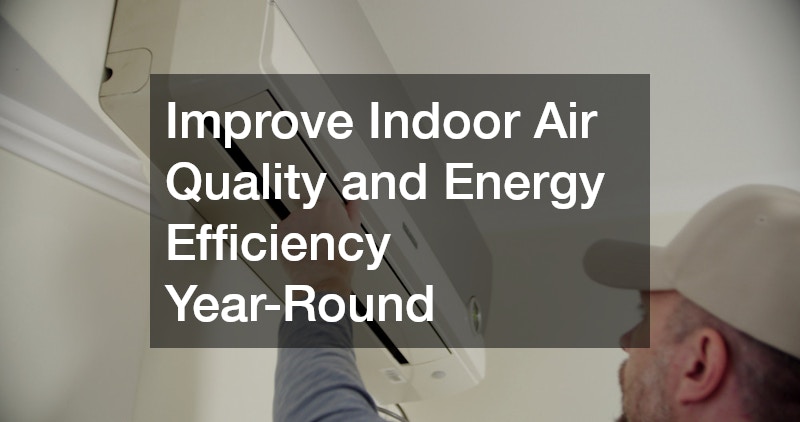
Indoor comfort depends heavily on heating and cooling performance. Partnering with a reliable HVAC company ensures your system operates efficiently in every season.
Seasonal inspections should include:
-
Filter replacement
-
Thermostat calibration
-
Refrigerant level checks
-
Duct inspection
-
Electrical connection testing
Smart thermostats allow homeowners to:
-
Program temperature schedules
-
Monitor energy usage remotely
-
Adjust settings based on occupancy
-
Reduce unnecessary heating and cooling
Improving insulation and sealing ductwork reduces energy waste. Leaky ducts can waste up to 30% of conditioned air, significantly increasing utility bills.
Warning signs of system issues:
-
Uneven temperatures
-
Strange noises
-
Increased energy costs
-
Weak airflow
Preventative maintenance extends system lifespan and improves indoor air quality. Consider adding air purifiers or upgraded filtration systems to reduce allergens and pollutants.
Energy-efficient upgrades not only lower monthly bills but also increase property appeal for environmentally conscious buyers.