
Every workplace incident, from a minor slip to a major equipment failure, leaves behind clues about what really went wrong. Too often, though, people stop at the surface-level explanation instead of digging into the deeper chain of events that caused the problem. Whether you manage a small property, run a farm, or oversee a family business, understanding how to systematically investigate incidents can save you money, protect the people you care about, and prevent the same mistake from happening twice. This guide breaks down practical, easy-to-understand steps anyone can use to reduce incidents through better root cause thinking.
Why Surface-Level Fixes Rarely Work
When something goes wrong, the natural instinct is to patch the immediate problem and move on. A worker trips on a loose cable, so you tape it down and consider the issue closed. This approach feels efficient, but it ignores the deeper question of why the cable was there in the first place, or why nobody noticed it sooner. Without asking those follow-up questions, the same conditions that caused the first incident are likely to cause another one down the road.
Real prevention requires looking past the obvious trigger and examining the systems, habits, and decisions that allowed the incident to occur. This is true whether you are dealing with a household repair project, a small commercial property, or a piece of farm equipment. The goal is not to assign blame but to understand the full picture so you can make lasting improvements.
What a Root Cause Investigation Actually Involves

A root cause investigation is simply a structured way of asking why an incident happened until you reach the underlying condition that started the chain of events. Instead of stopping at the first answer, you keep peeling back layers until you find something you can actually fix. Many teams use the “5 Whys” technique for this, asking why at each stage until the surface-level explanation gives way to a systemic issue.
For example, a slip-and-fall might first look like a wet floor, but asking why reveals a leaking pipe, then a missed inspection, and finally a maintenance schedule that was quietly cut back to save costs. This might mean a maintenance schedule that was skipped, a piece of gear that was worn out, or a process step that nobody had clearly explained. Each layer uncovered adds context, and skipping even one step can mean the same incident happens again in a different form.
Good investigations also weigh contributing factors like staffing levels, training gaps, and communication breakdowns, since incidents rarely have a single cause. Documenting each step matters too, since a clear record makes it easier to verify that the fix addresses the real problem rather than just the symptom that was easiest to spot.
The process usually starts with gathering facts, not opinions. Investigators want to know what happened, when it happened, who was involved, and what conditions were present at the time — including equipment status, staffing levels, weather, and any recent changes to procedures. This means collecting physical evidence, pulling maintenance logs, reviewing training records, and interviewing witnesses individually before their accounts can influence one another.
From there, the information gets organized into a timeline so investigators can see the sequence of events leading up to the incident, not just the moment it occurred. Tools like the “5 Whys” or a fishbone diagram help map out contributing factors across categories such as equipment, people, process, and environment. This step often reveals that an incident had multiple contributing causes rather than a single trigger.
Only after patterns emerge — a recurring maintenance gap, a communication breakdown, a shortcut that had become normalized — do investigators move toward conclusions. Jumping to a cause too early, before the facts are fully mapped, is one of the most common ways investigations go wrong.
- Collect physical evidence and photos within the first 24 hours, before scenes are altered, equipment moved, or debris cleared
- Interview everyone involved separately, starting with direct witnesses, to avoid influencing each other’s accounts
- Ask open-ended questions (“walk me through what happened”) rather than leading ones that suggest an answer
- Review maintenance logs, inspection records, and equipment service history for the weeks leading up to the incident
- Check weather conditions, lighting, noise levels, and other environmental factors at the time of the event
- Note any recent changes to routines, staffing, procedures, or equipment that could have introduced new risks
- Document timelines to see how events unfolded step by step, including small deviations that seemed minor at the time
- Cross-reference timestamps from CCTV, badge access logs, or machine data to confirm the sequence of events
Using Structured Tools to Dig Deeper
One of the most reliable methods for getting to the bottom of an incident is a formal failure analysis, which breaks down exactly how and why something broke down or malfunctioned. This approach is especially useful when equipment is involved, since it forces you to examine materials, wear patterns, and design limitations rather than guessing. A proper failure analysis often reveals that the visible damage was only the final symptom of a much earlier issue, such as improper lubrication or a part that was never rated for the load it was carrying.
Simple tools like the “five whys” technique can also be applied at home or in a small business setting without needing specialized training. You ask why an event happened, then ask why again about that answer, repeating the process roughly five times until you land on a root cause you can address. This method works well for everything from a leaking roof to a repeated near-miss in a workshop.
The Role of Protective Gear in Preventing Repeat Incidents
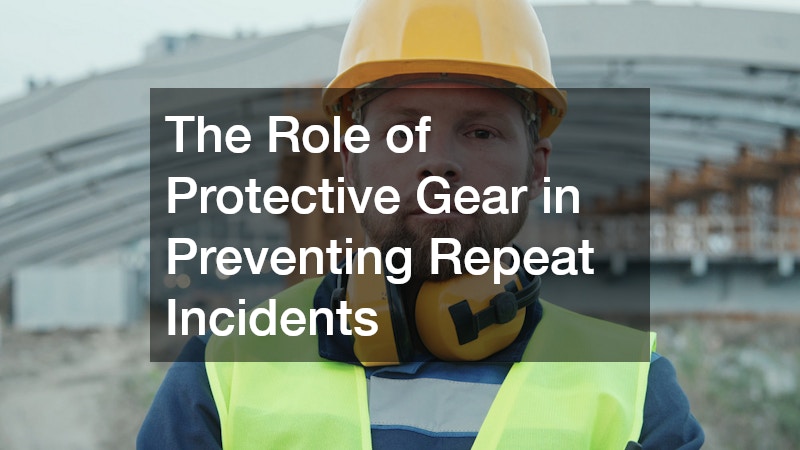
Personal protective equipment is often treated as the last line of defense, but it only works if it fits properly and matches the actual hazards present on the job. Root cause investigations frequently uncover a pattern: incidents that appear unrelated to equipment failure actually trace back to inadequate, mismatched, or poorly maintained workwear that failed to protect someone during what should have been a routine task.
Something as simple as gloves that are too loose or boots without proper traction can turn a minor slip into a serious injury requiring days away from work. A worker wearing cut-resistant gloves rated for light material handling, for example, offers little protection when reassigned to a task involving sharp metal edges. Similarly, standard-issue footwear may pass daily inspection yet still lack the slip rating needed for a warehouse floor that’s regularly wet from equipment washdowns.
Effective root cause analysis should treat PPE as a variable to investigate, not just a box to check. That means asking whether the equipment was rated for the specific hazard, whether it was inspected on a regular schedule, and whether workers received training on proper fit and wear patterns. A helmet that’s six months past its recommended replacement date, or a harness with frayed stitching that passed a rushed visual check, can look compliant on paper while offering compromised protection in practice.
Sizing and comfort matter more than many programs acknowledge. Employees who find their protective gear uncomfortable or ill-fitting are more likely to loosen straps, skip a layer, or substitute personal items that haven’t been safety-rated. Building sizing options and regular fit checks into your PPE program closes a gap that standard compliance audits often miss entirely.
When investigating an incident, it is worth asking whether the right gear was available, whether it was in good condition, and whether people were actually wearing it correctly. Sometimes the root cause is not the task itself but a gap in how protective equipment was selected or maintained.
Specifics matter here: a cut-resistant glove rated ANSI A2 offers little protection on a job that requires A5, and a respirator with a clogged filter provides a false sense of safety. Fit is equally important — safety glasses that slide down a sweaty face or a harness sized for the wrong body type can fail exactly when needed most.
Maintenance records and replacement schedules are worth pulling during the investigation, not just employee interviews. If gear was overdue for inspection, stored improperly, or issued without proper fit-testing, that points to a systemic gap rather than a one-off lapse in judgment.
- Check that gear is rated for the specific hazard, not just general use — for example, cut-resistant gloves rated ANSI A4 won’t protect against chemical splashes, so match the rating to the actual task
- Replace items showing wear, such as frayed straps, worn soles, cracked lenses, or hard hats past their 5-year service life
- Confirm sizing is appropriate for each individual, since ill-fitting gear reduces protection — a respirator that doesn’t seal properly, for instance, can leak contaminants regardless of its filter rating
- Store equipment properly so it stays in usable condition between uses, keeping it away from direct sunlight, moisture, and chemical exposure that can degrade materials
- Assign accountability for inspections, whether through supervisor checklists or self-inspection logs, so gaps in gear condition don’t go unnoticed
- Track incidents where gear was present but failed to prevent injury, since this often points to a fit, maintenance, or selection issue rather than a training gap
Equipment and Technology Contributing to Safer Operations

Modern tools have made it easier to prevent human error, especially in tasks that require precision over long periods of time. For example, an auto steer for tractor system helps operators maintain consistent, accurate paths across a field, which reduces fatigue-related mistakes and lowers the chance of collisions with obstacles or other equipment. Similar guidance and automation technologies exist for forklifts, delivery trucks, and other repetitive-motion equipment, all designed to compensate for the lapses in attention that naturally occur during long shifts.
When investigating incidents involving vehicles or heavy machinery, it is worth checking whether available technology was being used correctly or whether it had been disabled or ignored. Operators sometimes turn off automated systems because they find them restrictive, unfamiliar, or slower than manual control, and this override often goes unnoticed until an incident forces a closer look. Root cause investigations should specifically ask whether the equipment was functioning as designed, whether operators had received adequate training on it, and whether maintenance logs show any history of sensor drift or calibration issues.
Data logs from these systems can also be a valuable investigative resource. GPS records, speed data, and alert histories can confirm whether a safety feature engaged properly or whether a warning was ignored in the moments before an incident. Building a routine review of this data into regular safety audits, rather than only after something goes wrong, can help identify patterns before they escalate into serious harm.
Attachments and moving parts also deserve close attention during an investigation, since wear and improper installation are common contributors to incidents. A grader blade that has not been properly aligned or maintained can shift unexpectedly under load, creating a hazard for anyone working nearby. Similar risks apply to cutting edges, hydraulic couplers, and pin-and-bushing connections, all of which loosen gradually with use and rarely fail without warning.
Reviewing maintenance records for these components often reveals warning signs that were missed before the incident occurred. Repeated work orders for the same adjustment, technicians noting excessive play in a joint, or operators flagging vibration during use are all indicators that should trigger a deeper inspection rather than a quick fix.
Establishing torque specifications, replacement intervals, and pre-shift inspection checklists for high-wear attachments gives investigators a clear benchmark to compare against actual practice. When a grader blade or similar component is found to be out of specification, it’s worth asking not just when it was last serviced, but why the deviation wasn’t caught sooner through routine checks.
- Verify that guidance and automation systems are calibrated regularly, following manufacturer-specified intervals rather than waiting for a noticeable malfunction
- Inspect attachments for uneven wear or loose mounting hardware, checking bolts, pins, and welds at each shift change on high-use equipment
- Confirm operators have been trained on any new technology added to equipment, including refresher sessions when software or control updates change how a machine responds
- Keep maintenance records organized so patterns are easier to spot over time, using a shared digital log rather than scattered paper checklists
- Track repeat repairs on the same component, since recurring fixes often signal a root cause that hasn’t been addressed
- Set clear thresholds for taking equipment out of service until sensors, alarms, or safety interlocks are verified as fully functional
Budget-Friendly Ways to Improve Safety Without Overspending

Improving safety does not always require expensive new purchases, and many households and small operations find creative ways to source reliable tools and gear affordably. Some people turn to local pawn shops to find gently used tools, ladders, or protective equipment at a fraction of retail cost, which can make it easier to replace worn items before they contribute to an incident. The key is inspecting anything secondhand carefully to confirm it still meets safety standards before putting it into regular use.
Stretching a safety budget further also means prioritizing the items most likely to prevent serious harm rather than spreading resources too thin. A little research into what actually caused past incidents helps direct spending toward the areas with the greatest impact.
- Inspect secondhand tools and gear for cracks, rust, or missing safety features
- Prioritize spending on items directly linked to past near-misses or incidents
- Ask sellers about the history or age of used equipment when possible
- Set aside a small ongoing budget for gradual replacement rather than one large expense
Building a Culture Where People Report Problems Early
Investigations only work if people feel comfortable reporting hazards and near-misses before they turn into serious incidents. If workers or family members fear blame or punishment, small warning signs go unreported and problems continue to build until something serious happens. Creating a simple, non-judgmental way to log concerns encourages earlier action and gives you more data to work with when patterns emerge.
Even in a household or small property setting, keeping a basic log of maintenance issues, close calls, and repairs can reveal trends that would otherwise go unnoticed. Over time, this record becomes one of the most valuable tools for spotting recurring root causes.
- Keep reporting simple, such as a notebook or shared digital note
- Focus conversations on facts and solutions rather than fault
- Review the log periodically to look for repeated issues
- Recognize and thank people who speak up about hazards
Turning Investigation Findings Into Real Changes
An investigation is only useful if it leads to a concrete change in behavior, equipment, or process. Once a root cause is identified, the next step is deciding on a specific action that addresses that cause directly rather than a vague promise to be more careful. This might mean updating a maintenance schedule, replacing a piece of equipment, or changing how a task is performed.
It also helps to assign a clear timeline and person responsible for each corrective action, since good intentions without accountability tend to fade over time. Following up a few weeks later to confirm the change was actually implemented closes the loop and prevents the same issue from resurfacing.
- Write down the specific corrective action agreed upon
- Assign a responsible person and a realistic deadline
- Check back after implementation to confirm the fix is working
- Update written procedures so the lesson is not forgotten over time
Reviewing Progress and Preventing Future Incidents
Reducing incidents over the long term requires periodically stepping back and reviewing whether past corrective actions actually worked. Some fixes hold up well, while others need adjustment once real-world conditions test them further. Setting a regular schedule, such as quarterly or annual reviews, helps ensure that lessons learned do not quietly slip away.
This ongoing review process also gives you a chance to catch new risks before they cause harm, since conditions and equipment change over time. A commitment to continuous improvement, rather than a one-time fix, is what ultimately drives lasting reductions in workplace and property incidents.
- Schedule regular reviews of past incidents and corrective actions
- Compare incident rates year over year to measure real progress
- Update training and procedures as equipment or tasks change
- Involve everyone affected in reviewing what is working and what is not
Reducing incidents is rarely about a single dramatic fix, but rather a steady commitment to asking better questions and following through on what you learn. By digging past surface explanations, maintaining equipment and gear properly, and encouraging early reporting, you build a safer environment step by step. Start small by reviewing one recent incident or near-miss using the methods outlined here, and use what you find to make one meaningful change this week.