
If you are managing work across several job sites at once, equipment has a way of quietly disappearing into the shuffle. A dumpster left at the wrong address, a generator that never made it back to the yard, or a toilet trailer sitting idle for weeks all translate into real money lost. The good news is that with a little planning and the right tracking habits, you can keep every rented item accounted for no matter how many locations you are juggling. This guide walks through the practical steps that keep costs down and headaches away.
Build a Master Inventory List for Every Site
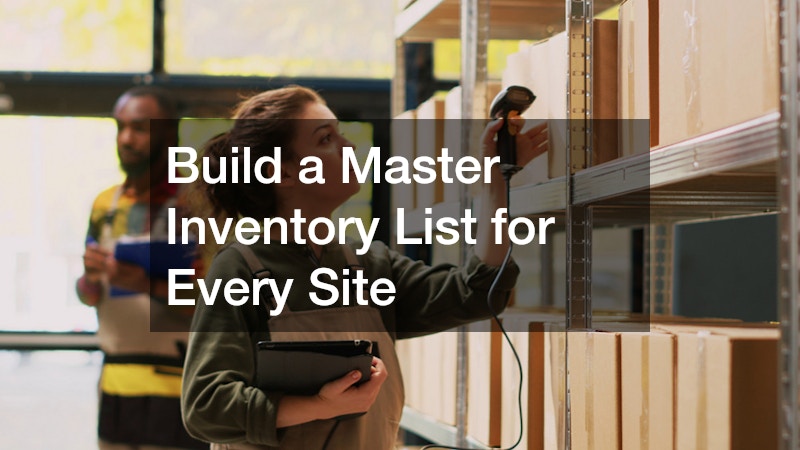
The first step to controlling rented equipment costs is knowing exactly what you have, where it is, and when it is due back. A simple spreadsheet or shared digital document can work wonders if it is updated consistently by whoever drops off or picks up equipment at each location. Without a central record, it becomes far too easy for two site managers to assume someone else is tracking the same item, which is how rentals get lost or forgotten for weeks.
The goal is to create one source of truth that everyone on the team can check before making decisions about moving or returning equipment. This list should be treated as a living document, not something updated once a month.
- Item description, serial number, or unit ID for each piece of equipment
- Job site location and the name of the site supervisor responsible for it
- Delivery date and expected return or swap date
- Daily or weekly rental cost so overruns are easy to spot
- Vendor contact information for quick questions or changes
Assign Ownership for Each Rented Item at Every Location
Equipment that belongs to everyone tends to belong to no one, which is exactly how costly gaps happen. Every job site should have one person designated as responsible for confirming what equipment is on-site, reporting damage, and flagging when something is ready to be picked up. This does not need to be a full-time role, but it does need to be a clearly named responsibility rather than an assumption.
When ownership is unclear, rented items often sit unused for far longer than necessary because no one feels accountable for calling the vendor. A single point of contact per site also makes it much easier to resolve billing disputes, since there is always someone who can confirm exactly when an item arrived or left.
- Name one accountable person per job site, not a whole crew
- Require that person to confirm deliveries and pickups in writing
- Rotate responsibility clearly if a supervisor changes mid-project
- Keep a shared contact sheet so any site manager can reach the vendor directly
Track Waste and Sanitation Equipment Separately
Waste and sanitation equipment tend to get overlooked in tracking systems because they are less glamorous than heavy machinery, but the costs add up just as fast. Dumpster rentals in particular are easy to lose track of across multiple sites because they often stay in one spot for the duration of a project, making it tempting to forget they are still being billed. Setting calendar reminders tied to the rental agreement’s swap-out or pickup date prevents you from paying for an extra week or month simply because no one noticed the container was full and idle.
A good habit is to photograph the unit and its ID number when it arrives at each site, then log the expected removal date immediately. This creates a paper trail that makes it obvious when something has overstayed its rental period.
- Log delivery and expected pickup dates the moment the unit arrives
- Photograph serial numbers or unit tags for easy identification
- Set automatic reminders a few days before the rental period ends
- Confirm pickup in writing so billing stops on the correct date
Coordinate Restroom Facilities Across Multiple Crews
When several crews are spread across different sites, sanitation facilities are one of the easiest costs to lose control of because they are often rented for the full length of a project regardless of how many workers are actually using them. A porta potty trailer rental can be a smart option when you need higher-capacity facilities that move between locations as work progresses, rather than committing to separate units sitting idle at each site. Coordinating one mobile solution across nearby job sites, instead of renting fixed units at every location, can significantly cut down on wasted spending.
It helps to review crew schedules regularly and match sanitation needs to actual headcount rather than defaulting to whatever was ordered at the start of the project. If a site’s crew size shrinks or the project timeline shifts, that is the moment to reevaluate whether the current setup still makes sense.
- Match unit capacity to actual crew size, not initial estimates
- Consider mobile or trailer-based units for projects spanning several nearby sites
- Review sanitation needs whenever crew schedules change
- Get written confirmation before extending or reducing service
Schedule Regular Equipment Audits
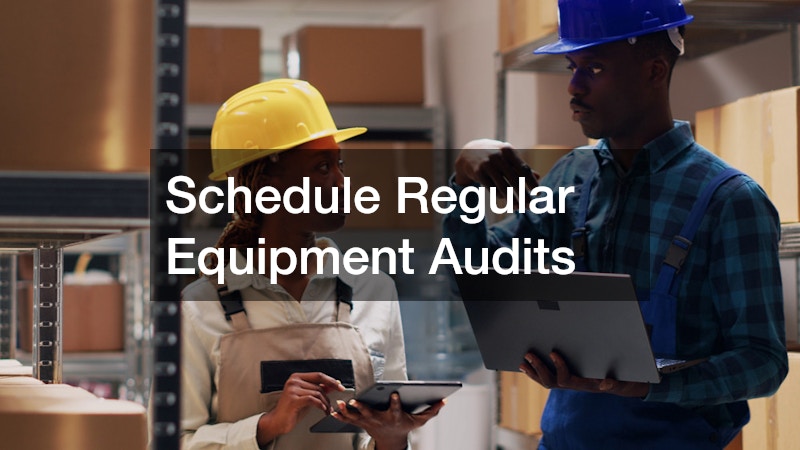
Even with a solid tracking system, physical audits are what catch the small discrepancies before they become expensive problems. Walking each site every couple of weeks to visually confirm that portable toilets, dumpsters, and other rented equipment match what is on your master list takes very little time but saves significant money over the course of a long project. These audits also give you a chance to check the physical condition of equipment, which matters when it is time to settle final billing with the vendor.
Treat audits as a routine part of site management rather than an occasional afterthought. The sites that lose the most money on rentals are almost always the ones where no one physically checked equipment against the paperwork for months at a time.
- Walk each site every one to two weeks with your master list in hand
- Note any equipment that seems unused or forgotten
- Check condition to avoid disputes over damage charges later
- Compare physical counts against vendor invoices monthly
Review Vendor Invoices Line by Line
Rental invoices for multiple sites can run long and are easy to skim rather than read carefully, which is exactly how billing errors slip through unnoticed. Every invoice should be checked against your master inventory list to confirm that dates, unit counts, and site locations all match what actually happened on the ground. Catching a billing error within the first cycle is far easier than trying to dispute months of accumulated charges after the fact.
It also pays to build a habit of comparing invoices month over month, since vendors sometimes continue billing for equipment after it has been picked up if the paperwork was not processed correctly on their end. A quick phone call to clarify a discrepancy costs nothing compared to paying for equipment you no longer have.
- Cross-check every line item against your master inventory list
- Flag any charges for equipment already confirmed as returned
- Compare invoices month over month for unexplained changes
- Keep all pickup and delivery confirmations on file for disputes
Keeping rented equipment under control across multiple job sites really comes down to consistent habits rather than complicated systems. A shared inventory list, clear ownership at each site, and regular physical audits will catch most problems before they cost you real money. Start by setting up a simple tracking sheet for your current projects and commit to reviewing it weekly. That small routine is often the difference between a project that stays on budget and one that quietly bleeds money on equipment nobody was watching.