Understanding the Role of PAPR Systems in Respiratory Safety
Respiratory protection plays a vital role in maintaining health and safety across a wide range of industries. From manufacturing and construction to healthcare and laboratory environments, airborne hazards can pose serious risks if not properly managed. Among the various forms of respiratory protection available today, the PAPR has become an increasingly important option for situations that demand enhanced comfort, flexibility, and protection.
What Is a PAPR?
A PAPR, or Powered Air-Purifying Respirator, is a type of respiratory protection that uses a battery-powered blower to pull air through filters and deliver purified air to the wearer. Unlike negative-pressure respirators that rely on the user’s breathing to draw air through the filter, a PAPR provides a continuous flow of filtered air.
This design helps reduce breathing resistance and can improve overall user comfort, especially during extended periods of wear.
PAPR systems typically consist of a blower unit, filters or cartridges, a breathing tube, and a headpiece such as a hood or helmet. The modular nature of these systems allows them to be adapted to different work environments and hazard levels.
Why PAPRs Are Used Across Industries
One of the primary reasons organizations choose a PAPR is its versatility. These systems are used in a wide range of settings where airborne contaminants may be present, including dust, fumes, biological agents, or certain chemical particles. Because PAPRs provide a higher level of protection than many disposable or half-mask respirators, they are often selected for tasks involving elevated exposure risks.
In healthcare and cleanroom environments, a PAPR can offer both respiratory and facial protection while allowing for easier communication and movement. In industrial settings, PAPRs are commonly used during activities such as painting, grinding, or handling hazardous materials, where consistent airflow and protection are essential.
Comfort and Wearability Considerations
Comfort is a significant factor in respiratory protection compliance. Workers are more likely to wear protective equipment correctly and consistently when it is comfortable to use. A PAPR can reduce physical strain by supplying air mechanically, which minimizes the effort required to breathe through filters. This feature can be particularly beneficial for individuals who may struggle with tight-fitting respirators or who must wear respiratory protection for long shifts.
Additionally, many PAPR designs accommodate facial hair, eyewear, or other personal protective equipment that might interfere with the seal of traditional respirators. This makes them a practical option for diverse workforces and varying job requirements.
Proper Use and Maintenance
Like all respiratory protection, a PAPR must be used and maintained properly to remain effective. Users should be trained on how to assemble, inspect, and operate the system before entering hazardous environments. Batteries should be fully charged, filters should be appropriate for the specific hazard, and airflow indicators should be checked regularly to confirm proper operation.
Maintenance is equally important. Filters and cartridges need to be replaced according to manufacturer guidelines, and blower units should be cleaned and inspected routinely. Storing PAPR components in clean, dry conditions helps extend their lifespan and ensures they are ready for use when needed.
Training and Safety Programs
A comprehensive respiratory protection program supports the effective use of PAPRs. Training should cover hazard recognition, equipment limitations, proper donning and doffing procedures, and routine inspections. While PAPRs may reduce the need for fit testing compared to tight-fitting respirators, users still need a clear understanding of how the system works and when it should be used.
Safety programs that emphasize education and accountability help ensure that respiratory protection is not treated as an afterthought. When workers understand the purpose and benefits of a PAPR, they are more likely to use it correctly and consistently.
Regulatory Awareness
In many regions, occupational safety regulations outline when respiratory protection is required and what types are acceptable for specific hazards. A PAPR is often included as an approved option when higher levels of protection are necessary or when other respirators are not suitable. Employers are responsible for selecting appropriate equipment and ensuring it meets applicable safety standards.
Staying informed about regulatory requirements helps organizations maintain compliance while prioritizing worker health. It also ensures that respiratory protection choices are based on risk assessment rather than convenience alone.
The Broader Value of PAPRs
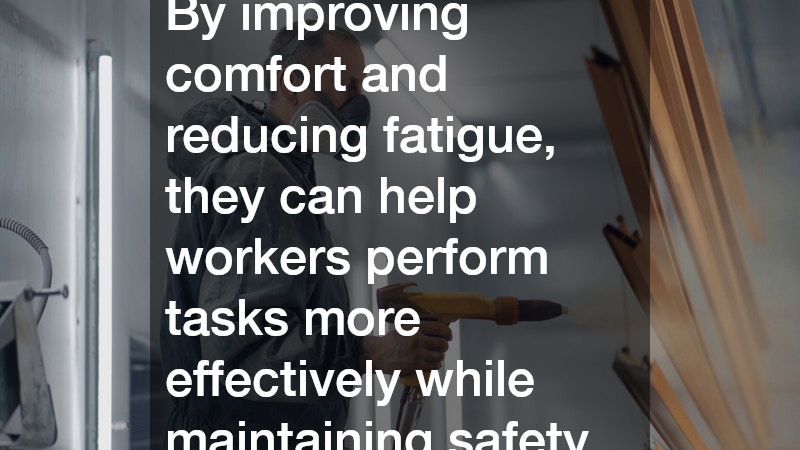
Beyond compliance and protection, PAPRs contribute to overall workplace efficiency. By improving comfort and reducing fatigue, they can help workers perform tasks more effectively while maintaining safety. Over time, this can lead to fewer incidents, reduced health-related absences, and a stronger safety culture.
As workplaces continue to evolve and new hazards emerge, respiratory protection solutions must adapt accordingly. The PAPR remains a reliable and adaptable option for environments where air quality cannot be fully controlled through engineering or administrative measures alone.
A PAPR plays an important role in modern respiratory safety by offering enhanced protection, improved comfort, and flexibility across a wide range of applications. When selected appropriately and maintained properly, it supports both worker health and operational efficiency. By understanding how PAPRs function and where they are best used, organizations can make informed decisions that contribute to safer, healthier work environments.