
A workplace that runs smoothly is never an accident. Behind every building where employees stay productive, customers feel welcome, and operations hum along without constant fire drills, there is a network of interconnected systems working in sync. When you understand how these pieces fit together, from waste removal to water lines to the roof over everyone’s head, you make smarter decisions as a property owner instead of reacting to problems one at a time. This guide breaks down the major systems that keep commercial spaces functional, so you know what to look for and what questions to ask before you invest.
Managing Construction and Renovation Debris
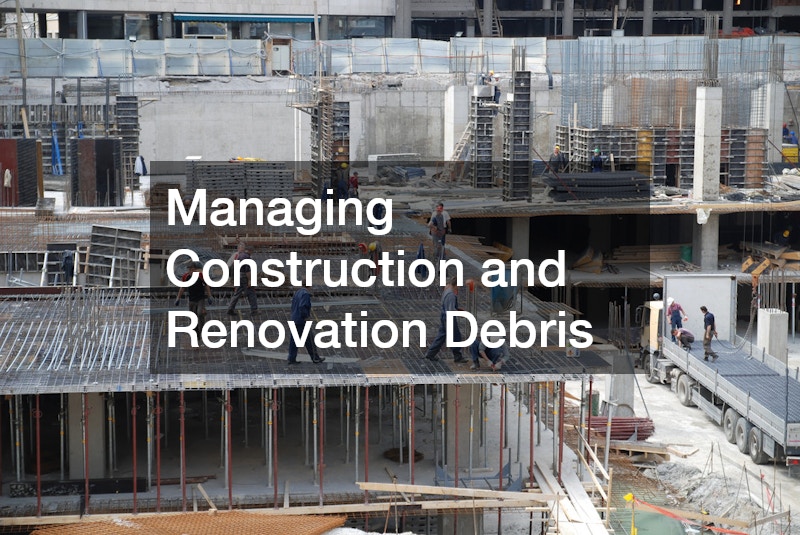
Any workplace project, whether it is a full buildout or a simple office refresh, generates more waste than most owners expect. Drywall scraps, old flooring, packaging, and broken fixtures pile up fast, and without a plan for removal, the mess slows down every other part of the project. Renting a 20 yard dumpster is often the practical middle ground for mid-sized renovations, large enough to handle several days of debris without the hassle of multiple pickups, but not so large that it eats into limited parking or loading areas.
Planning debris removal ahead of time also keeps your project on schedule, since crews are not stuck waiting for a hauler or working around overflowing bins. Talk to your contractor early about how much waste the job is likely to produce so the right size container is on site from day one.
- Estimate debris volume based on square footage and project scope
- Confirm what materials are and are not allowed in the container
- Schedule pickup and swap dates before the project starts
- Keep the container accessible but out of the way of daily foot traffic
Water Supply and Drainage for Commercial Buildings
Water issues in a workplace rarely stay small. A slow leak behind a wall or a clogged line under a slab can escalate into a shutdown that sends employees home and customers elsewhere. Because commercial buildings often have more fixtures, longer pipe runs, and higher water demand than a typical house, working with commercial plumbers who understand code requirements and building scale matters far more than hiring whoever is available.
Regular inspection of water lines, backflow preventers, and drainage systems catches small problems before they become expensive ones. Ask about the age of the building’s plumbing infrastructure when you buy or lease a property, since older systems are more prone to unexpected failures that disrupt business operations.
- Schedule annual inspections of main lines and shutoff valves
- Know the location of emergency shutoffs before a leak happens
- Watch for slow drains as an early warning sign of buildup
- Budget for periodic pipe replacement in older buildings
Roof Systems on Large Commercial Structures
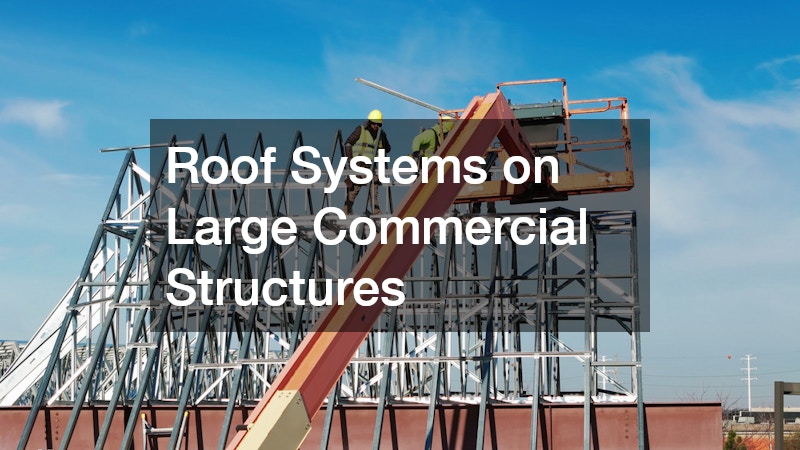
The roof over a warehouse, retail center, or office park does far more work than most owners realize. It manages drainage across a much larger surface area, supports rooftop equipment like HVAC units, and has to withstand years of sun, wind, and temperature swings. An experienced industrial roofer evaluates load-bearing capacity, membrane condition, and drainage slope in ways that go beyond a simple visual check, especially on flat or low-slope roofs common in commercial settings.
Neglecting roof maintenance is one of the costliest mistakes a property owner can make, since water intrusion damages inventory, equipment, and interior finishes long before it becomes visible from inside. A proactive inspection schedule catches membrane cracks, ponding water, and flashing failures while repairs are still affordable.
- Inspect roofing twice a year and after major storms
- Check drainage points for debris buildup
- Monitor rooftop equipment for signs of leaks around mounts
- Keep records of past repairs to track recurring problem areas
Foundation Protection Against Water Damage
A building’s foundation carries the weight of everything above it, and water is its biggest long-term threat. Groundwater pressure, poor grading, and heavy rainfall can all push moisture into a foundation over time, leading to cracks, settling, and mold growth in lower levels. Commercial foundational waterproofing addresses this at the source, using barriers and drainage systems designed to keep water from reaching the structure in the first place.
Retrofitting waterproofing into an existing building is more involved than including it during original construction, but it is often far cheaper than repairing structural damage after the fact. If you notice damp basement walls, efflorescence, or a musty smell in lower-level spaces, those are early signals worth investigating before they turn into a much larger repair bill.
- Watch for cracks that widen or new cracks that appear seasonally
- Check grading around the building to ensure water flows away from walls
- Address gutter and downspout issues that dump water near the foundation
- Consider interior drainage systems for buildings with persistent moisture
Choosing the Right Roofing Approach for Retail and Office Spaces
Not every commercial roof faces the same demands as a large industrial building, but retail centers and office spaces still need specialized attention. A qualified commercial roofer understands the differences between materials like TPO, EPDM, and modified bitumen, and can recommend the right system based on your climate, building use, and budget. Choosing the wrong material or installer can mean a roof that fails years before its expected lifespan.
Warranties matter more in commercial roofing than many owners realize, since the terms often depend on using approved installers and following specific maintenance schedules. Before signing a contract, ask detailed questions about what voids the warranty and how often inspections are required to keep it valid.
- Compare material lifespans against your long-term ownership plans
- Ask for references from similar commercial properties
- Review warranty terms in writing before work begins
- Confirm who handles repairs if issues arise after installation
Coordinating Large-Scale Construction and Renovation Projects
Bigger commercial projects require more than skilled labor; they require coordination across trades, timelines, and equipment logistics. A single delay in electrical rough-in or HVAC installation can push back drywall, painting, and flooring crews, turning a one-week setback into a month-long ripple effect. This is where systems thinking becomes essential — the project isn’t a series of isolated tasks but an interconnected sequence where every decision affects what comes next.
Reliable commercial contractors manage this complexity by scheduling subcontractors in the right order, securing permits, and keeping the project aligned with local building codes. They also build in buffer time for inspections, material deliveries, and weather-related delays, since even a two- or three-day gap in a critical path task can cascade across an entire schedule. Coordinating equipment logistics matters too: cranes, scaffolding, and heavy machinery often need to be shared across multiple trades, so poor scheduling can leave expensive equipment sitting idle or, worse, double-booked.

Without that kind of oversight, even a well-funded project can stall due to miscommunication or delays. A missed permit deadline, an overlooked code requirement, or a subcontractor showing up before the site is ready can each add days or weeks to a timeline. Treating the project as a connected system, rather than a checklist of separate jobs, is what keeps large-scale construction on schedule and on budget.
Large-scale construction and renovation projects succeed or fail based on how well dozens of moving parts are sequenced, and heavy lifting logistics are often the tightest bottleneck in the schedule. For jobs involving heavy materials or work at height, crane rental frequently becomes part of the logistics plan, whether it is lifting HVAC units onto a roof, placing structural beams during a buildout, or hoisting glass panels for a curtain wall installation. Each of these tasks demands a different lift capacity, boom length, and ground condition assessment, which is why the equipment decision is rarely one-size-fits-all.
Renting equipment as needed is usually more cost-effective for property owners than expecting a contractor to own every piece of heavy machinery outright, since ownership carries maintenance, storage, insurance, and depreciation costs that rarely pencil out for occasional use. Rental also allows the right crane size to be matched to the specific job, whether that means a compact mobile crane for a tight urban lot or a larger tower crane for a multi-story build. Getting this match right affects not just cost but safety margins and permitting requirements. Coordinating the rental window with the rest of the project timeline matters just as much as choosing the right machine. A crane sitting idle on site racks up daily costs, while one that arrives before the site is prepped creates its own delays and safety hazards.
Systems-minded project managers build in buffer time, confirm site access and load-bearing surfaces in advance, and sequence deliveries so the crane is working the moment it arrives rather than waiting on other trades to catch up.
- Confirm licensing and insurance for every contractor on site, and request certificates naming your business as additionally insured
- Ask how subcontractor schedules are coordinated, including who owns the master schedule and how delays get communicated up the chain
- Plan for equipment access, including street or lot closures, crane placement, and delivery windows for large materials
- Get a written timeline with milestones, not just a completion date, so you can track progress against specific checkpoints
- Identify which zones of the building stay operational and build a dust, noise, and vibration mitigation plan around them
- Establish a single point of contact for daily updates so information isn’t lost between multiple foremen and vendors
- Set clear rules for after-hours work, weekend access, and how contractors will be let in and out of secured areas
Wastewater Systems in Commercial Facilities
Facilities that produce a lot of wastewater, such as restaurants, manufacturing plants, or laundromats, need systems designed to handle that volume responsibly. Waste water treatment on site or through proper connection to municipal systems keeps a business compliant with environmental regulations and prevents costly fines. Owners sometimes assume this is only a concern for heavy industry, but even mid-sized food service operations can face strict discharge requirements.
Understanding your local wastewater regulations before you sign a lease or finalize a build saves headaches down the road. Local health and environmental departments can tell you what pretreatment equipment, like grease traps, might be required for your specific type of business.
- Ask about grease trap requirements for food service operations
- Check local discharge limits for specific industries
- Schedule regular maintenance for on-site treatment equipment
- Keep documentation of compliance inspections
Specialty Equipment and Branding Needs for Workplace Operations
Beyond the structural systems, workplaces often need specialized equipment and services to support daily operations and branding. Businesses that produce their own merchandise, uniforms, or promotional materials frequently rely on screenprinting for consistent, durable branding across apparel and signage. Compared to digital printing, screenprinting holds up better under repeated washing and outdoor exposure, which matters for uniforms, safety vests, and trade show banners that see daily wear. Companies weighing this decision usually consider order volume, color complexity, and turnaround time.
Screenprinting tends to be more cost-effective at higher quantities—often 25 to 50 pieces or more per design—since setup costs are spread across a larger run, while smaller or highly detailed jobs may be better suited to alternative methods. This is a smaller line item compared to major building systems, but it plays a real role in how a business presents itself to customers and employees alike. Consistent branding across uniforms, packaging, and signage reinforces professionalism and helps employees feel connected to a unified identity, even when the underlying cost is modest relative to HVAC, electrical, or security investments.
On the operational side, businesses handling perishable goods depend heavily on commercial refrigeration that is properly sized and maintained. Undersized units run constantly to keep up with demand, driving up energy costs and shortening compressor lifespan, while oversized systems waste both capital and floor space. A qualified vendor should calculate cooling needs based on inventory volume, door traffic, and ambient kitchen or storeroom temperatures before installation.
A single equipment failure can mean thousands of dollars in lost inventory, so owners in food service, grocery, or medical fields should treat refrigeration maintenance as a non-negotiable part of routine upkeep. Practical steps include scheduling quarterly professional inspections, checking door seals and gaskets monthly, and monitoring temperature logs daily to catch drift before it becomes a crisis. Many operators also install remote temperature alarms that send alerts the moment a unit drifts outside safe range, allowing staff to respond overnight or on weekends rather than discovering spoiled stock the next morning.
Backup planning matters just as much as prevention. Having a relationship with a local refrigeration repair service that offers emergency response, along with a contingency plan for temporary storage during extended outages, can mean the difference between a minor disruption and a total loss of inventory.
- Schedule regular maintenance checks for refrigeration compressors and seals, ideally quarterly, to catch wear before it causes downtime
- Keep backup plans in place for equipment failure during peak hours, such as a secondary supplier or rental unit on standby
- Choose branding vendors who can scale with business growth, from single-location signage to multi-site rollouts
- Factor equipment lifespan into long-term operating budgets, replacing major units before they hit end-of-life failure rates
- Track warranty terms and service contracts so repairs don’t become unplanned expenses
- Build a simple equipment log noting install dates, repair history, and expected replacement windows
Every system in a commercial building, from the roof to the plumbing to the equipment that keeps a business running day to day, affects the others in ways that are easy to overlook until something breaks down. Thinking about your property as a connected set of systems rather than a list of separate problems helps you catch small issues early and make better decisions about where to invest. Before your next project or purchase, walk through each of these areas and ask honest questions about condition, age, and maintenance history. Taking that systems-level view now will save you time, money, and stress down the road.