
Every business that handles physical materials generates waste somewhere along the line, and most owners never stop to calculate what that waste actually costs them. Excess inventory, inefficient disposal methods, underused equipment, and poor space planning quietly chip away at margins month after month. The good news is that these leaks are usually easy to spot once you know where to look, and even easier to fix. This article walks through the most common ways supply chain waste hides in plain sight and what practical steps can stop the bleeding.
Excess Debris and Job Site Cleanup Costs
Construction sites, warehouse renovations, and retail buildouts all generate mountains of debris that pile up faster than most managers expect. Drywall scraps, pallet wood, packaging materials, and broken fixtures accumulate daily, and without a scheduled haul-away plan, they quickly overrun aisles, loading docks, and work zones. What starts as a manageable pile on day one can become a logistical bottleneck by the end of week two. When that debris sits around too long, it slows down crews, creates safety hazards, and eats into productive hours that should be spent on billable work. Workers have to navigate around cluttered walkways, forklifts lose maneuvering space, and OSHA violations for blocked exits or tripping hazards become a real risk. Every extra minute spent moving material out of the way is time not spent on the tasks the client is actually paying for. Many businesses underestimate how much money they lose simply because nobody assigned a clear disposal plan before the project started. A single rented dumpster that fills up mid-project can halt work entirely until a swap is arranged, sometimes costing crews half a day or more. Multiply that delay across several job sites in a given month, and the losses in labor hours alone can rival the cost of the waste hauling contract itself. The fix usually isn’t complicated: assign debris removal responsibility to a specific role, schedule pickups before containers overflow, and factor disposal costs into the project bid from the start rather than treating it as an afterthought.
A properly sized dumpster rental placed on site from day one keeps waste contained and out of the way of workers and equipment. This single decision often prevents the kind of clutter that leads to injuries, delays, and even fines from local code enforcement. Planning for debris removal upfront, rather than reacting to it later, is one of the simplest ways to protect a project budget. Sizing matters more than most project managers assume. A 20-yard container might handle a small renovation, while a large commercial teardown could easily require multiple 40-yard units swapped out on a rotating schedule. Underestimating capacity means paying for extra pickups or, worse, letting debris pile up in walkways and staging areas until the next scheduled haul-off. Cost overruns tend to creep in through smaller channels: overage fees for exceeding weight limits, rush charges for emergency pickups, and labor hours lost when crews have to manually clear a path before they can even start their assigned tasks. A ten-minute delay per worker, multiplied across a crew of a dozen people over the life of a project, adds up to real money by the final invoice. There’s also a safety and compliance angle that’s easy to overlook. OSHA violations tied to blocked exits, tripping hazards, or improper material storage can trigger fines that dwarf the cost of an extra container rental. Building that expense into the initial bid, rather than treating it as an afterthought, keeps both the timeline and the budget intact.
Renovation and Demolition Debris Removal
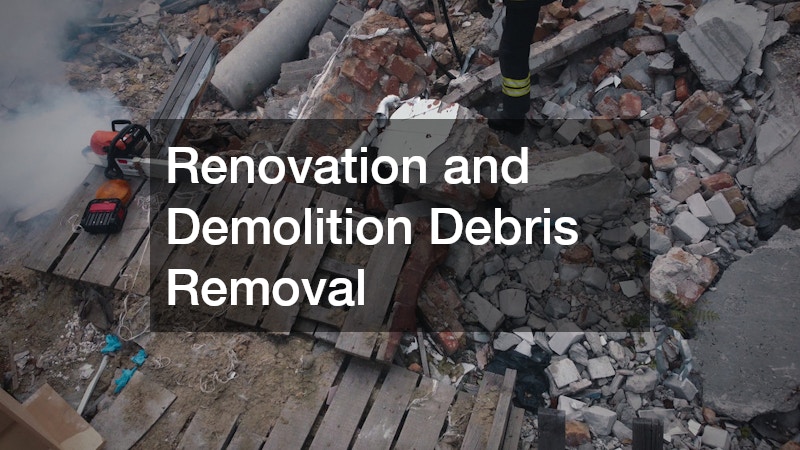
Larger renovation or demolition projects produce waste volumes that a standard bin simply cannot handle, and trying to make do with undersized equipment almost always backfires. A gutted kitchen or bathroom can generate several tons of drywall, tile, and cabinetry debris alone, while a full commercial strip-out can fill multiple 30-yard containers before the project is even half finished. Businesses that underestimate their debris output end up paying for multiple emergency pickups, which costs far more than planning correctly from the start. Rush fees, overtime labor to clear blocked work areas, and idle crews waiting on hauler availability can quietly add thousands of dollars to a project’s bottom line. Getting the sizing right requires more than a rough guess. Factors like square footage, material type, and whether debris includes heavier items such as concrete or masonry all affect how many containers are actually needed, and a hauler who can walk the site beforehand will typically produce a far more accurate estimate than a phone quote alone. Timing matters just as much as capacity. Scheduling swaps and pickups around demolition milestones, rather than waiting until a bin overflows, keeps crews working instead of standing around waiting for debris to be cleared.
Renovation and demolition projects generate waste unlike anything else in the supply chain, which is exactly where roll off dumpster rentals earn their keep. These containers are built for heavier loads like drywall, flooring, concrete, and old fixtures that would overwhelm standard bins or require multiple costly pickups. A 20-yard dumpster typically handles a mid-sized kitchen or bathroom teardown, while larger 30- or 40-yard units suit full building strip-outs or multi-room renovations. Choosing the right size and rental duration in advance means fewer surprise fees and less downtime waiting on hauling services. Many providers charge overage fees once a dumpster exceeds its weight limit, and concrete or tile debris can hit that ceiling far faster than bulkier but lighter materials like drywall. Locking in the rental period upfront also prevents daily extension charges that quietly eat into project margins. Getting a rough estimate of debris weight and volume before the project begins helps avoid both underpaying and overpaying for capacity you do not need. A simple walkthrough with your contractor, noting square footage and material types, usually gets you close enough to pick the right container size. Factoring in local disposal regulations and permit requirements for curbside placement can also prevent delays that stall the entire renovation timeline.
- Estimate debris volume based on square footage and material type — a 2,000 sq ft gut renovation typically generates 15-20 tons of mixed debris
- Match container size to the job: a 20-yard dumpster suits a single-room remodel, while full demolitions often need 30- or 40-yard roll-offs
- Confirm weight limits so overage fees do not surprise you later; many haulers cap loads at 2-4 tons before charging per-ton penalties
- Ask about hidden charges for prohibited items like drywall, mattresses, or painted wood, which some facilities bill separately
- Schedule pickup dates around project milestones instead of guessing, so containers aren’t sitting half-empty or overflowing on-site
- Separate recyclable materials like metal and wood to reduce landfill fees and tipping costs
- Bundle concrete, brick, and asphalt separately, since many facilities accept clean fill at little or no charge
- Track disposal receipts by material type to spot which waste streams are quietly eating into project margins
Inventory Overflow and Temporary Storage Solutions

Seasonal demand spikes, supply chain delays, and bulk purchasing decisions often leave businesses with more inventory than their existing space can comfortably hold. A retailer stocking up for the holidays or a manufacturer buying raw materials in bulk to lock in lower prices can suddenly find pallets stacked in loading docks or product spilling into break rooms and parking areas. When products get crammed into hallways or unused corners, picking errors go up and employees waste time hunting for items that should be easy to find. Studies on warehouse productivity suggest workers can lose 10-20% of their shift just searching for misplaced stock, time that translates directly into labor costs with nothing to show for it. Overcrowded storage also increases the odds of damaged goods, mislabeled SKUs, and safety incidents from blocked walkways or unstable stacking. This kind of disorganization is a quiet profit drain because it rarely shows up as a single line item on a budget report. Instead it bleeds out through overtime hours, rush shipping fees to replace “lost” items that turn up weeks later, and customer complaints from fulfillment mistakes. Left unaddressed, it can also mask the real problem: a business that keeps overbuying or under-forecasting instead of fixing the root cause of the overflow.
A pod storage container offers a flexible middle ground between renting permanent warehouse space and cramming products into an already tight facility. Businesses can bring one onto their property temporarily during peak seasons, then send it back once inventory levels normalize, avoiding long term lease commitments. Most providers offer units ranging from 12 to 20 feet, so companies can scale capacity up or down based on actual demand rather than paying for space they don’t need year round. This approach also keeps sensitive stock protected from weather and theft better than makeshift storage arrangements often do. Many units come with reinforced steel construction, weatherproof seals, and lockable doors, which matters considerably for businesses storing electronics, packaged goods, or anything vulnerable to humidity damage. Compare that to overflow pallets stacked under tarps in a parking lot, a common but risky workaround that leaves inventory exposed to rain, pests, and opportunistic theft. The cost math also tends to favor short-term pod rentals over signing a new warehouse lease. A typical unit might run a few hundred dollars a month, whereas committing to additional square footage often means a multi-year contract, utility costs, and staffing considerations that don’t disappear when the seasonal rush ends. For businesses still calculating how much slow-moving or excess inventory is quietly eating into margins, a temporary storage solution buys time without locking in fixed overhead they’ll regret paying come the off-season.
Signage and Wayfinding Efficiency
Poor signage inside warehouses, distribution centers, and retail backrooms leads to slower picking times, misdirected deliveries, and confused new hires who take longer to get up to speed. Many operations managers focus heavily on software and automation while overlooking something as basic as clear, durable labeling throughout their facility. Fixing this is often inexpensive compared to the labor hours lost to confusion every single day.
Working with sign companies to design consistent, high visibility markers for loading docks, storage zones, and safety areas can measurably cut down on wasted movement. Good signage also helps with regulatory compliance, since clearly marked hazard zones and exits are frequently required by workplace safety standards. Investing in professional signage once tends to outlast several rounds of makeshift paper labels that fade, tear, or fall off shelving within weeks.
- Color code zones by product type or department for faster recognition
- Use reflective or high contrast materials in low light storage areas
- Replace handwritten labels with durable printed signage to reduce errors
- Review signage annually as layouts and processes change
Long Term Asset Marking and Facility Identification
Businesses that own their facilities outright sometimes overlook permanent identification needs, assuming temporary signs will do the job indefinitely. Over time, faded or damaged exterior markers make a property look neglected, which can affect everything from delivery accuracy to how customers perceive the business. Durable, permanent markers solve a problem that temporary solutions were never designed to handle.
Companies that specialize in monument engraving can create long lasting entrance signs, cornerstones, or memorial markers that hold up against weather for decades. While this might seem like a small detail, a well maintained and clearly identified facility reduces confusion for freight drivers, vendors, and new employees trying to locate the correct entrance. It is a one time investment that quietly prevents years of minor logistical headaches.
Labor Shortages and Seasonal Workforce Gaps
Even the most efficient supply chain operation grinds to a halt without enough hands to keep it moving, and labor shortages during peak seasons are one of the most expensive forms of hidden waste. Overtime costs pile up quickly when a skeleton crew tries to cover gaps that should have been filled with additional staff. Meanwhile, rushed hiring decisions made under pressure often lead to poor fits that cost even more in turnover.
Partnering with a staffing service ahead of predictable busy periods allows businesses to scale their workforce up or down without the long delays of traditional hiring. This approach also gives companies access to workers who are already trained for warehouse, logistics, or general labor roles, cutting down on onboarding time. Planning workforce needs several months in advance, rather than scrambling during a crunch, keeps both quality and costs under control.
- Forecast seasonal demand using at least two years of historical data
- Build relationships with staffing partners before peak season hits
- Cross train existing employees to cover short term gaps
- Track turnover rates to catch staffing problems early
Structural Material Waste in Facility Expansion
Businesses expanding their warehouse or production space often lose money through inefficient material ordering, poor project sequencing, and mismatched supplier timelines. Ordering too much material ties up cash in unused inventory, while ordering too little causes costly delays waiting on backordered shipments. Both scenarios are avoidable with better upfront planning and clearer communication with suppliers.
When a project calls for structural steel, working closely with suppliers to align delivery schedules with actual construction phases prevents materials from sitting exposed to weather or theft on site. Steel that arrives too early often needs additional storage and protection, adding costs that were never part of the original budget. Coordinating orders in phases, based on a realistic construction timeline, keeps both spending and site clutter under control.
Supply chain waste rarely announces itself with a single dramatic loss; instead, it accumulates quietly through small inefficiencies that compound over months and years. Reviewing debris handling, storage flexibility, signage clarity, workforce planning, and material logistics gives most businesses a realistic starting point for finding where their money is actually going. The next step is simple: pick one area from this list that feels the most familiar and take a closer look at how much it might be costing you right now. Small, targeted changes in these areas often produce savings far larger than owners initially expect.